 Naturalistic Paganism
MoonCourt: Goddess Ceremonial Space by Glenys Livingstone Ph.D.

MoonCourt is dedicated ceremonial space created for the celebration of Her Creativity, as this manifests in the Seasonal Moments, which are holy days of Earth, points of transition marking Earth’s orbit around our mother Sun. MoonCourt as it has been named, is sacred space for celebrating Earth’s everyday sacred journey, our everyday pilgrimage – where we actually are. It is a Goddess safe space where She may be spoken and announced in all Her beauty and power. MoonCourt is the emergent home of PaGaian Cosmology.
Read More
How Our Brains Often Get Things Wrong, by Brock Haussamen

What Does “Naturalism” Mean to You?

Many of us here at HumanisticPaganism.com and our sister sites, like NaturalPagans.com, Atheopaganism, and NaturalPagan.org, identify as Religious Naturalists or Spiritual Naturalists. “Naturalism” is a term many of us use to distinguish ourselves from other Pagans. Although several of us have attempted to define the term over the years, it remains confusing to many people, Pagans and non-Pagans alike.
With the new year, we are starting a new series called, “What Naturalism Means to Me”. It is an opportunity for our readers, like you, to share what Naturalism means for you. We are looking for essays between 1000-3000 words. Send your submissions to humanisticpaganism[at]gmail[dot]com.
[Dead Ideas] “Yule-time Ghost Stories: Glámr the Icelandic Draugr, and 13 Candles” by B. T. Newberg
https://player.megaphone.fm/ADL9939592321?
Did you know ghost stories used to be told on Christmas – that is, at Yule-time? It was a tradition popular in Victorian England (think Dickens’ A Christmas Carol), but it also goes back much farther.
In fact, today’s story goes all the way back to 13th-century Iceland, a time not so distant from the Pagan days of that island. It tells of a kind of Scandinavian revenant called a draugr. You can hear clear echoes of Beowulf and such tales. And yet, this is also a Christmas story. Like most of the Norse sagas, it took final shape after the conversion to Christianity, but still preserves a clear Pagan folk flavor. This is the story of Glámr the Icelandic Draugr.
Plus, as a bonus, author Andre Sólo, who has written here before, shares an original Christmas ghost story of his own writing called 13 Candles.
You can also listen to last year’s Christmas special with ghost stories from Japan, Sweden, and Appalachia.
Finally, if you support the show, you can get your portrait drawn in the time period and culture of your choosing. Check it out at http://www.patreon.com/deadideaspod.
Have a Haunted Holidays everybody!
Dead Ideas is a podcast delivering history with humor. We explore ideas once believed to be true, but no longer. Each dead idea is explore in all its glorious eccentricity. Listen on iTunes, Stitcher, and other podcast apps, or at deadideas.net.
The Author

B. T. Newberg: Since the year 2000, B. T. has been practicing meditation and ritual from a naturalistic perspective. He has served as Education Director for the Spiritual Naturalist Society, where he created an online course in naturalistic spirituality (including Naturalistic Paganism!). His writings can also be found at Patheos and Pagan Square, as well as right here at HP.
He also hosts a podcast called Dead Ideas: The Podcast of Extinct Thoughts and Practices. It explores ideas once believed to be true, but no longer.
Professionally, he was an ESL teacher for 12 years and now works in customer service. After living in Minnesota, England, Malaysia, Japan, and South Korea, he currently resides in Minneapolis, Minnesota, with his wife and cat.
After founding HumanisticPaganism.com in 2011 and serving as managing editor till 2013, he now serves as advising editor, and feels blessed to be a part of this community.
Happy Winter Solstice!
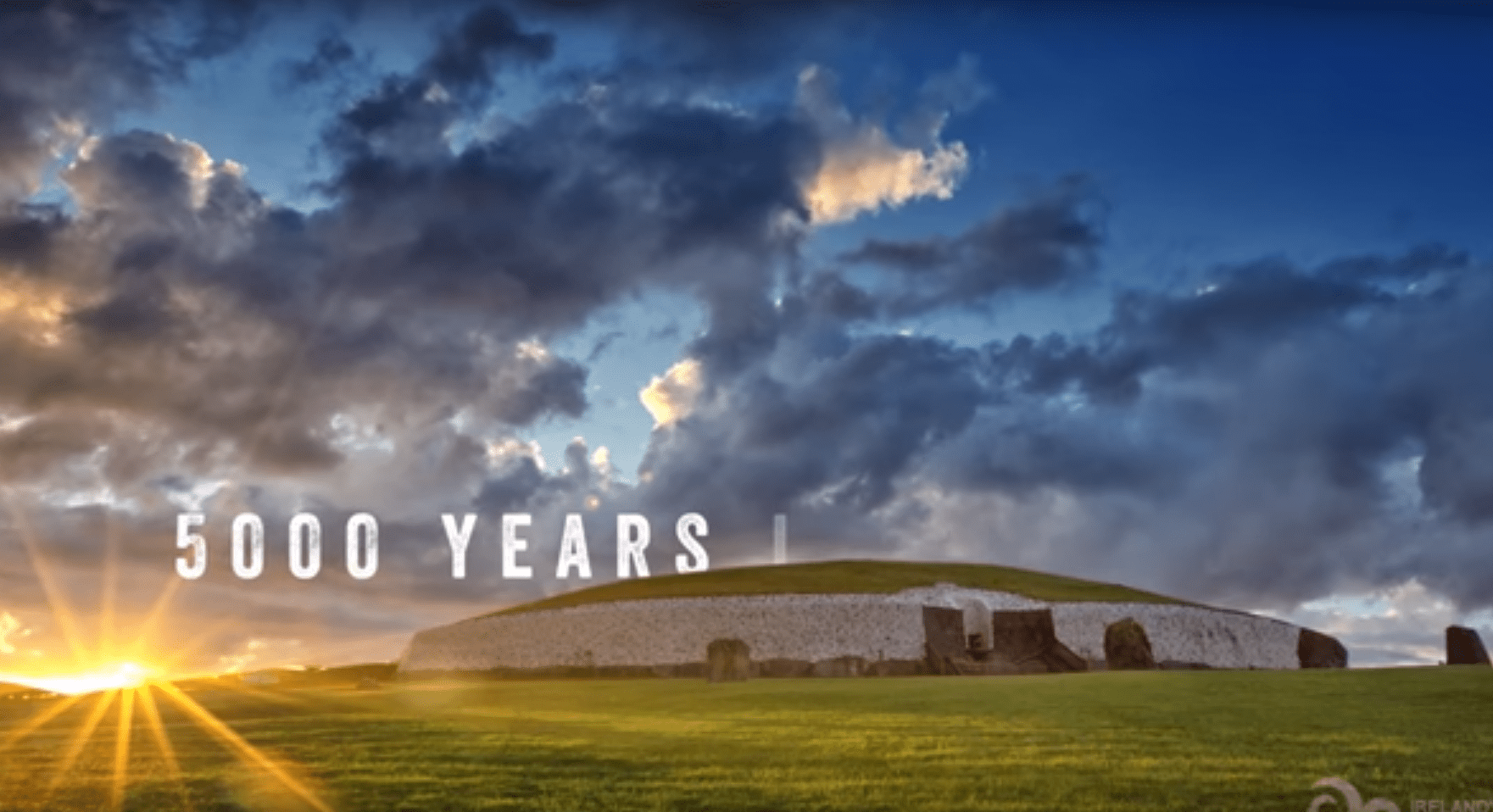
Happy Winter Solstice, or Yule! Of course, our spherical planet also gives us the beautiful symmetry of the Summer Solstice (Litha) being celebrated now by our Southern Hemisphere friends.
Celebrations
Some of the ways many of us are celebrating were published a few weeks ago. For me, between wrapping presents and other final preparations, it’s hard to find time to prepare this short post! Read More
Buy Godless Paganism (paperback)

Buy Godless Paganism (ebook)


Pagan Coming Out Day – May 2nd
 Naturalistic Paganism