 Naturalistic Paganism
The Summer Cross-Quarter (Summer Thermstice) Approaches (+ online Lunasa Rituals)!

 Lunasa is the start of the prime campfire and stargazing season – bringing the unique combination of both warmth and longer nights “Sunlit Summer”, see the 8 season names here. Lunasa arrives again, but it’s not like last year, nor the year before. Why not? Because the many nested and interwoven cycles of our solar system make each stargazing season unique, and hence make every Lunasa unique! Last year the moon was out of the way, giving great Perseids! This year, however, the moon mostly washes out the best times in the middle of the night – still, you can get some decent Perseids before moonrise, which is ~10:30 pm on August 13. Plus, here are a half dozen online Lunasa ritual opportunities!
With the Solar Power Incentives set to expire in December, *Now* is the time to get powered up. Here’s why. (Plus, Solar can give backup power for storm outages!) Green: Part 2

For most of the country, solar more than pays for itself with the electricity produced. Add Biden’s federal incentive of 30% of the cost, and that’s even better financially. If you have a house with a good South facing roof, you can add solar, and we all win – especially our Earth!
But Trump has now set a deadline for the solar incentives – they end in December, just a few months away – plus, the process of getting solar takes months. So to get the solar incentive, you have to get those solar panels quick! It’s super easy (just go to Energysage.com)- see below.
With the EV incentives set to expire in September and EV prices low, *Now* is the time to grab an affordable EV. Here’s why. (Plus, EVs give backup power for storm outages, camping!) Green: Part 1
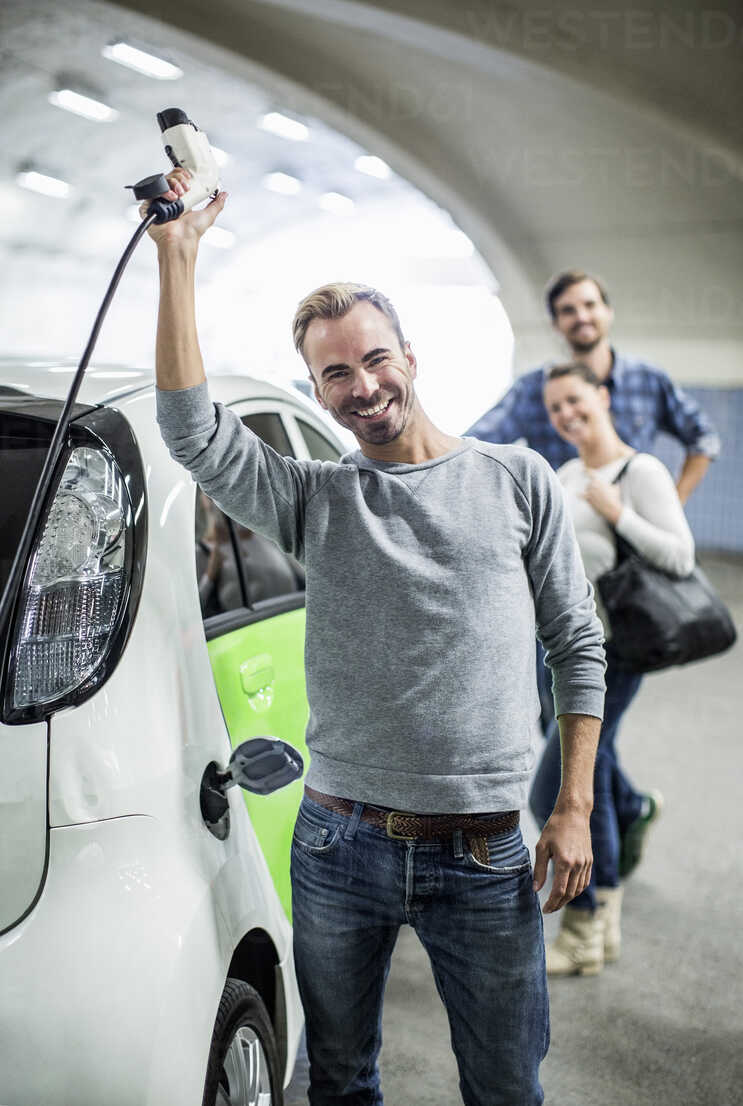
Well, they are, for many new EVs. *Used* EVs are often quite affordable – often cheaper than a similar gasoline car. That whole “bUt eV dePreCiaTioN is bAD” line the anti – EV people use is actually a positive point – means that *used* EVs get affordable quickly. Sure, EV’s depreciate fast, just like any other new technology – computers, phones, etc. – but we don’t buy cars as investments, we buy cars for providing transportation, and EVs are great for that – just like how we don’t use the fast depreciation of phones as a reason to not have a cell phone.
Plus, federal incentives give you $4,000 off the price of a used EV ($7,500 off a new EV), making them even easier to afford!
But Trump has now set a deadline for those incentives – they end in September, just a couple months away. So to get them, you have to get that EV quick! It’s easy – see below.
Christian Terrorism Strikes Again, but Privilege keeps that hidden again. (Why Stochastic Terrorism matters a lot now) by [Starstuff, Contemplating]

Can you imagine what the reaction would be if a Muslim Imam carried out a terrorist attack on US soil, targeting a list of elected leaders, killing two and wounding another in two separate attacks, before being stopped? What if this was all motivated, by the killer’s own words, by his Muslim faith? This would be running 24/7 on conservative media for days at least, if not weeks, and there could well be national policy changes like banning immigration from Muslim countries or especially if he had a background in another country. That terrorist attack happened a couple weeks ago, with the only difference was that the terrorist was Christian, radicalized by Christian websites and such – standard stochastic terrorism (see below). So the story quickly vanished, and even when stories ran on it, they downplayed or *didn’t even mention* his Christian motivation.
Happy Summer Solstice! Check out these Stonehenge Livestreams!
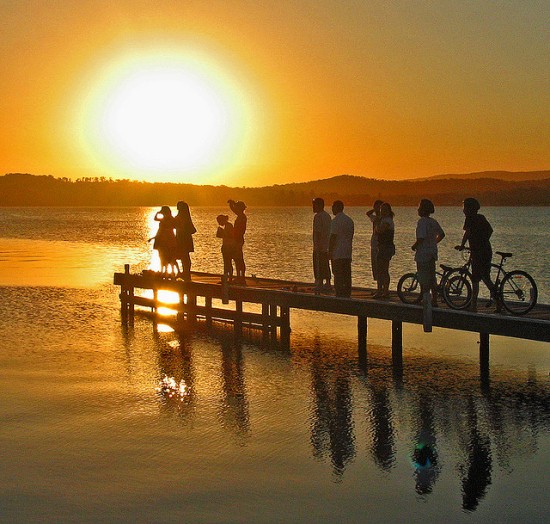
Happy Summer Solstice! In case you missed the Stonehenge Summer Solstice Sunrise simulcast, you may be able to catch the Stonehenge Summer Solstice *Sunset* simulcast! You can catch the Solstice Sunset livestream from Stonehenge, with coverage from 3:30 – 5:30 pm EDT *today*. (Also, it is Winter Solstice/Yule for those in the Southern Hemisphere). Any Summer Solstice is the peak of the Sun’s presence on Earth, and this year we are just passing the peak of the 11 year solar activity cycle, with our time for the best auroras until 2034 drawing to a close within about a year from now.
Buy Godless Paganism (paperback)

Buy Godless Paganism (ebook)


Pagan Coming Out Day – May 2nd

 Naturalistic Paganism