Naturalistic Paganism
No Nonsense Paganism: The baby and the bathwater

“Don’t throw the baby out with the bathwater.”
I’ve heard that phrase a lot, especially in the context of talking about Religious Naturalism and Naturalistic Paganism. I’ve said it a fair number of times as well. It means: don’t lose the good stuff while you’re trying to get rid of the bad stuff. The problem is, one person’s “baby” is another person’s “bathwater” and vice versa.
So, what is the “bathwater” for me? As I wrote in the introduction to this series, the bathwater is “occultist make-believe, New Age sloppy thinking, adolescent rebelliousness, capitalist exploitation of all this, and any excuse to dress up like a goth fairy.” It’s supernatural belief, literalistic theism, anthropocentrism, instrumental magic, dogmatic historical reconstuctionism, poorly planned and poorly executed rituals, and pointless silliness.
Read MoreWow! We are #3 among Pagan Blogs! And The Wonder is #3 among Pagan Podcasts!

Can you imagine that as recently as 2015, we were attacked and excluded, and now Naturalistic Paganism is near the top among both Pagan blogs and Pagan podcasts?!?! Wow!
No-Nonsense Paganism: What ritual really does

Last year, the Sunday before the winter solstice, my Unitarian Universalist minister led our congregation in a solstice service. When Unitarians do religious services that aren’t sermon-centric, they tend to consist of a series of quotes and hymns, more or less tied together by theme–in this case the solstice. During one part of the service, our minister read from a script describing the meaning of the Wheel of the Year and the role of ritual. The service was recorded so I was able to transcribe it:
Read MoreNew Resources, SLOGG, Maintaining your Practice, and more! Recent Episodes of THE WONDER podcast, by Mark Green

What a treasure trove we have in these recent The Wonder podcasts! Atheopaganism is growing quickly, and some of the newest activities and resources are described in the January 9th podcast. Plus, plenty to help build and live your own Pagan practice (January 23), and your own Wheel of the Year (January 16). And if you want to learn more about the Sabbats of SLOGG (a demi-Sabbat) and Imbolc, there are podcast episodes on those too! – All that more, on the page here.
Happy Winter Thermstice/Imbolc!
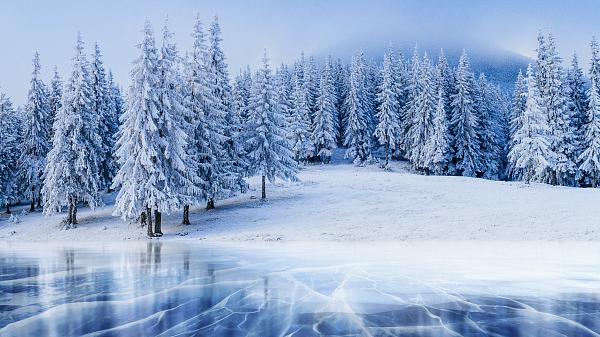
Hidden life beneath the snow and ice can take many forms and is preparing to burst forth! What do you hold, which could empower your life? Is it nearly time to bring it forward? Read More
Buy Godless Paganism (paperback)

Buy Godless Paganism (ebook)


Pagan Coming Out Day – May 2nd