Naturalistic Paganism
The Wheel of Evolution, by Eric Steinhart: Ostara

Dr. Eric Steinhart draws on his philosophical background to create a naturalistic foundation for the Pagan Wheel of the Year. To better understand axiarchism, the philosophy on which Dr. Steinhart draws to create a Naturalistic Pagan theology, see Part 1 and Part 2 of his essay “Axiarchism and Paganism”.
At the Spring Equinox, which begins Ostara, the strength of the day rises to meet the strength of the night. The light briefly comes into balance with the darkness, and then surpasses it. Ostara represents the triumph of the light. It signifies the emergence of a novel type of illumination, a new concentration of holy fire.
For Pagan Naturalists, this new type of illumination is life. Perhaps our universe contains an enormous plurality of planets covered with life; perhaps life flourishes on many billions of planets in the Milky Way. But we are aware of only one inhabited planet, namely, our earth. So, to continue their interpretation of the Wheel, Pagan Naturalists focus on the earth. On earth, molecules congregate to form living cells, cells evolve into complex multicellular organisms. These organisms become reptiles, mammals, and primates. On earth, life flourishes, covering the planet with rich ecologies.
Inanimate things are indifferent to their own possibilities. Methane molecules do not care whether or not they burn. But living things sort their possibilities by preference: they assign utilities or desirabilities to those possibilities. And, when they are driven away from their preferred possibilities, they suffer. Suffering involves desire. When an organism suffers, it wants to not be in the condition which aroused that suffering. If an organism suffers from hunger, it wants to not be hungry. The meaning of any desire is a class of possible universes in which that desire is satisfied. Every desire aims at the truth of some proposition. Hunger means I want that I have food. It aims at the truth of the proposition that I have food. If any organism desires some proposition, then the meaning of that desire is the set of all possible universes in which that proposition is true.
When an organism suffers, it makes demands based on its preferences: it demands to exist in some universe in which it is in a positive state rather than its current negative state. It demands to be in a state of higher value. If an organism suffers from hunger, then it demands to exist in a universe in which it is not hungry. All suffering is a demand for the actuality of valuable potentials which were not actualized by this universe, but which could have been actualized, and which are actualized in other possible universes. Since suffering makes demands based on value, it makes axiological demands.
An axiological demand is a proposition whose truth follows from the nature of the thing which makes it. If you are hungry, your biological nature demands food; you do not have to say that you are hungry in order for your nature to make that demand. Axiological demands do not have to be spoken or written down in order to exist. Moreover, things that lack the capacity for thought and speech can make axiological demands. Bacteria neither think nor speak. Yet a bacterium, dying from exposure to an acid, demands to be healthy and to persist; it demands to divide, to make an infinity of offspring. These axiological demands follow from its nature as theorems follow from premises.
Since every axiological demand is a petition for some more valuable situation, every axiological demand is a natural prayer. On this naturalistic approach to prayer, prayers need not be spoken nor heard. To pray is to produce axiological demands. Every suffering thing prays: humans pray; birds pray; plants and protozoa pray. They pray for the actuality of possible universes in which their desires are satisfied. The content of a prayer is a set of possible universes in which the suffering which aroused it is satisfied. It is a set of possible universes in which the prayer is answered. Any universe in that set is an answer to the prayer. A possible universe which answers a prayer is a utopia.
All suffering demands that our universe be other than it is, and that the sufferer be other than it is. If you are hungry, then you do not actually exist in any of the possible universes in which you want to exist. What exists in those other universes are versions of yourself which are not hungry, and which, by that very fact, are not identical with you. Suffering means that you want to be somebody else, somebody whose life resembles your life in every respect except those respects which involve your suffering. These distinct but similar versions of your life are your counterparts. As living things are born, suffer, and die, they demand the actuality of possible universes in which their counterparts do not suffer, in which they are happy and immortal. Organism by organism, our universe demands to be other possible universes. And so our universe surrounds itself with utopias which satisfy its axiological demands. These utopias are the answers to the prayers of suffering things. But they are not yet actual; they lie in the shadow of mere potentiality.
The Author

Eric Steinhart is a professor of philosophy at William Paterson University. He is the author of four books, including Your Digital Afterlives: Computational Theories of Life after Death. He is currently working on naturalistic foundations for Paganism, linking Paganism to traditional Western philosophy. He grew up on a farm in Pennsylvania. He loves New England and the American West, and enjoys all types of hiking and biking, chess, microscopy, and photography.
Spring Equinox

Today is the Spring Equinox in the Northern Hempisphere, the day when the days are the same length as the nights. From this day on, until the fall equinox, the days will be longer than the nights. This is the bright time of the year.
Many Pagans call this day “Ostara”, which derives from the name of a Germanic goddess of the spring, Eostar or Eostre, the same word from which Christians get “Easter”, which is celebrated on the first Sunday after the New Moon after the Spring Equinox. In the Christian tradition, this is the season of Christ’s resurrection. All around us nature is experiencing a resurrection as well. Read More
“Five Ways to Play on Spring Equinox” by Anna Walther

I’m making plans to celebrate the Spring Equinox with my family. The equal length of day and night prompts us to consider balance, and the greening of the land also calls for joy and play. Below are five ways my family revels in the beginning of spring in Austin, Texas.
1. Create a Spring Equinox altar. We include living herbs, flowers, bunnies, nests, eggs, and seeds. Sometimes we bring the signs of spring inside; other times we create an impromptu outdoor altar. Last weekend during a trip to Mt. Bonnell, the highest point in Austin at 775 feet above sea level, my children gathered soil, twigs, and several different kinds of seeds into piles on top of a limestone slab. Whether building the altar inside or out, we look to the natural environment for inspiration. What’s blooming? Have we seen any nests or young animals? What colors do we see in the sky, in budding leaves, in the water and the soil?
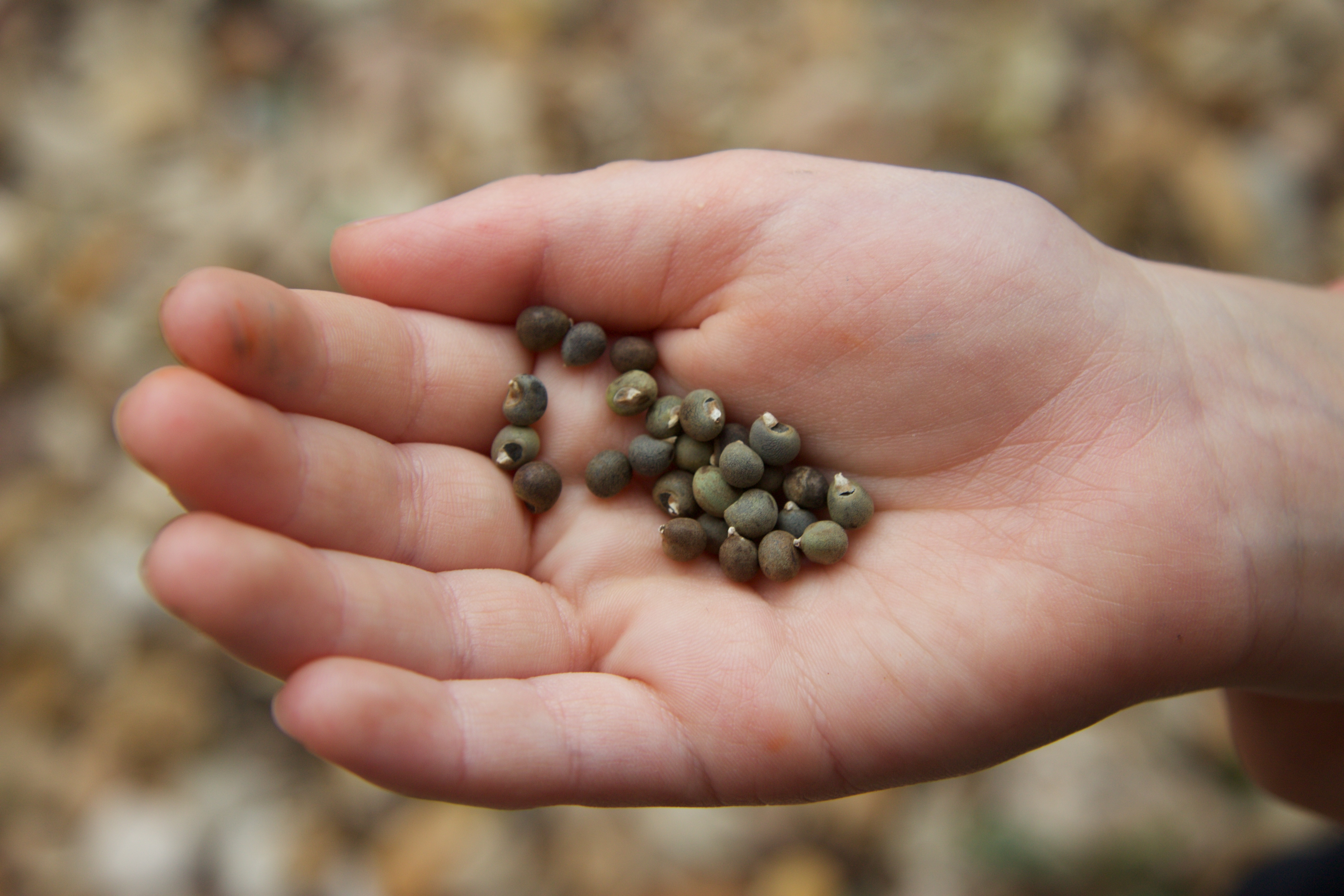 2. Plant seeds. I include flower seed packets in my children’s Easter baskets. Sometimes we’re enterprising and start the seeds in hollowed out egg shells filled with soil. Last year, my kids simply ran around our backyard pushing morning glory and sunflower seeds into the soil with their bare thumbs. Going outside and seeing which ones sprouted and took root, and which ones did not, was an ongoing family project as spring progressed. My children saw first-hand that seeds need sunlight, water, and specific soil conditions in order to flourish.
 3. Dye and hunt eggs. Eggs are symbols of birth and fertility in cultures around the world; plus they’re good food and fun to decorate. I like to draw on hard-boiled eggs with a wax crayon, or wrap rubber bands around them to make stripes, before dunking them in dye. Because it’s usually fairly warm in Texas in the spring, and because we have fire ants, I hide plastic eggs for my children. Once they’ve found and emptied the eggs, we fill some with pebbles or beans to make shakers, and we re-hide and seek the rest for days after.
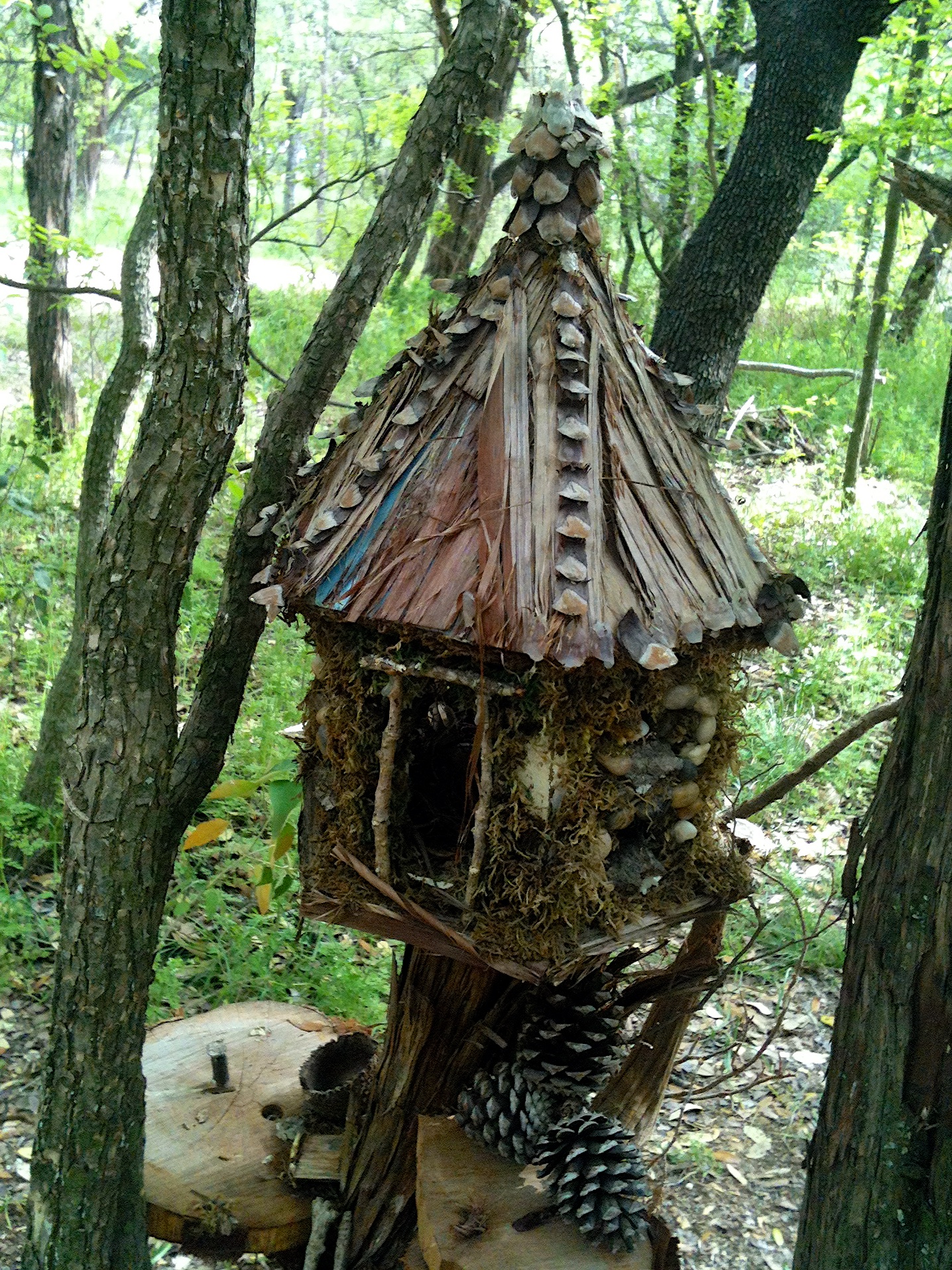 4. Build fairy houses. Walking the Zilker Faerie Homes & Gardens Trail at Zilker Botanical Garden in downtown Austin is one of my favorite events of Spring. Local families, school groups, gardeners, and architects sign up to build houses in February, and the trail opens in March. Walking the Faerie Trail with my children always inspires a flurry of fairy house construction once we get home. Because artists need constraints, the rules: Use only natural, found objects, and not human-made materials. Try not to disturb living, growing plants and flowers. They’re still using all their parts.
Now, this is the Humanistic Paganism blog, where few if any of us believe in fairies as incarnate beings. Last year while he was building a fairy house in the front yard, my son stopped to ask me whether fairies are real. “No,” I replied, “But it’s fun to pretend, isn’t it?” He smiled and happily went back to cobbling rocks together into a structure that might provide appropriate shelter for an imaginary diminutive winged person. So I invite you to avoid overthinking it. Make space to play, and do something fun to welcome the spirits of spring.
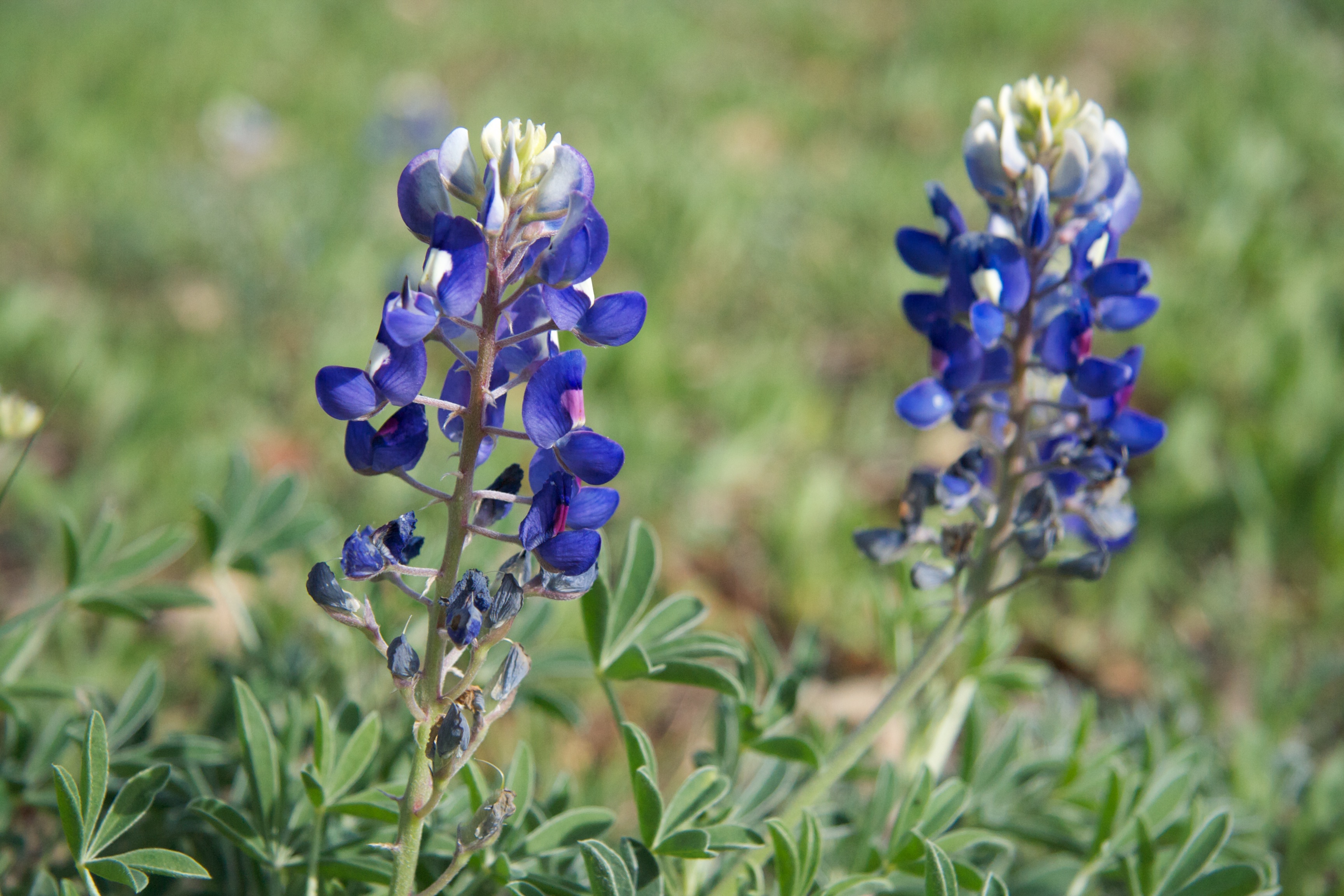 5. Take a wildflower or wildlife walk.
In Spring, the Central Texas Hills erupt into a riot of wildflowers: wind flowers, wood sorrel, bluebonnets, paint brush, prairie verbena, primroses, Mexican hat flowers, Texas star flowers, and firewheels, among many others. My family and I like to walk the trails at nearby McKinney Falls to soak up all the scents and colors. Our neighborhood parks put on a good show even closer to home. The Mexican free-tailed bats that make their summer home in Austin begin returning from Mexico this time of year. Cooper’s Hawks and Sharp-skinned hawks leave Austin for more northerly summer homes, while flycatchers, swallows, and summer tanagers are arriving. What’s blooming? Which birds are arriving? Which are leaving? Which animals are nesting and raising young? I like to take a long, mindful walk outside to find out.
What’s blooming where you live? How do you celebrate both the balance and the ebullience of Spring?
The Author

Anna Walther lives in Austin, Texas, where she practices place-based paganism, by honoring ancestors, observing the movements of the sun and the moon, collecting local stories, visiting trees, creeks and springs, and learning about the plants, animals, and minerals with which she shares her home. Anna is a student nurse, and she attends First Unitarian Universalist Church with her husband and children.
Vernal Equinox Music Mix by Bart Everson


Click the image above.
The Mix-Master

In addition to writing the A Pedagogy of Gaia column here at HumanisticPaganism, Bart Everson is a writer, a photographer, a baker of bread, a husband and a father. An award-winning videographer, he is co-creator of ROX, the first TV show on the internet. As a media artist and an advocate for faculty development in higher education, he is interested in current and emerging trends in social media, blogging, podcasting, et cetera, as well as contemplative pedagogy and integrative learning. He is a founding member of the Green Party of Louisiana, past president of Friends of Lafitte Corridor, sometime contributor to Rising Tide, and a participant in New Orleans Lamplight Circle. See Bart Everson’s other posts.

Buy Godless Paganism (paperback)

Buy Godless Paganism (ebook)


Pagan Coming Out Day – May 2nd