 Naturalistic Paganism
Holiday Gift Ideas for Naturalistic Pagans
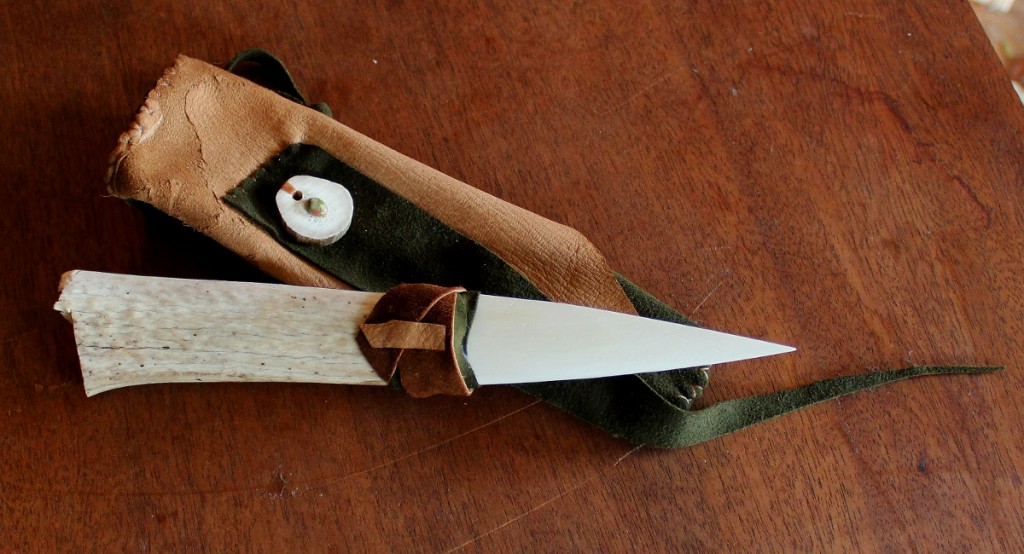
Just in time for Winter Solstice/Yule, here are some gift ideas to give or ask for! Of the items here, many will help your spiritual practice, enriching your day to day life. Others will help you be understood by loved ones, or help you open a child’s eyes to our glorious Universe. I’ve listed items for adults, then books/DVDs for adults, followed by the same two categories for parents/kids. Read More
[A Pedagogy of Gaia] The Worst Animals in the World, by Bart Everson

The Worst Animals in the World
The first results came in from Indiana, my home state. Us grown folk were not surprised, and we knew the final results would be different — or so we thought. Read More
Some Election Thoughts from a Naturalistic Pagan
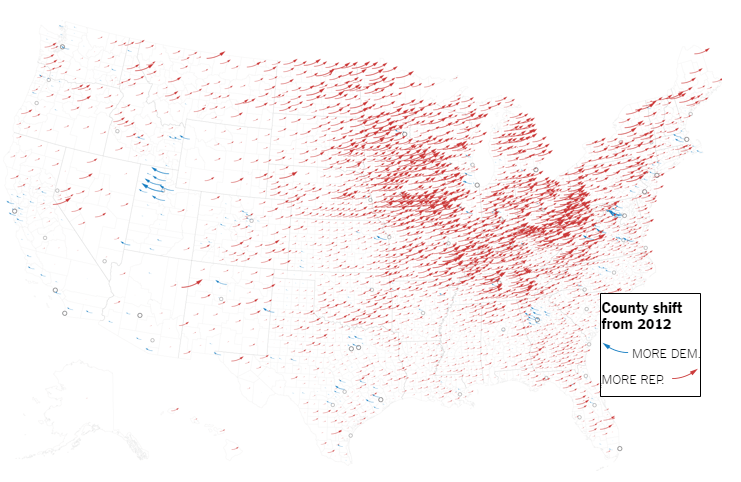
Map of the vote compared to last election
The Election
I don’t know where to start. Fortunately, many others have chimed in by now, so much of what I would say has already been said, often more clearly that I would say it. Also, this post contains a lot of my own political views, so if you aren’t interested in that, you of course don’t have to read it.
In fact, there is a lot we don’t know yet. We don’t know the extent of the damage we’ll suffer as part of the Earth, nor the damage to our society, to minorities of many types, to church/state separation, and so on. We don’t know how long racists, bigots, and sexists will be emboldened to continue carrying out attacks on anyone who is different. We don’t know where, on the long scale going from a relatively inactive Trump who just used the racism & bigotry of 100 million Americans to get elected on one end, to a very aggressive Trump rounding up people of all kinds at the other end, the events of the next four years will fall. We’ve already seen signs that point in either direction. Read More
Late Autumn Theme: Humans

In Deep Time, late autumn can remind us of the rise of humans – just a short eyeblink of geological time ago, yet, perhaps, a profound event. The existence of us humans engenders strong emotions in we humans. In past times, some of us thought of us as the pinnacle of being, an exalted goal of evolution. Others (largely before that, but still some today) saw us as the literally depraved, worthless, fallen creatures corrupted by “sin”. A common view today sees us as a harmful disease afflicting our mother Earth. Still others rejoice in the wonder of our human brains, without equal in the Universe to our (admittedly limited) knowledge. Many of us combine aspects of these and other views – it’s not a simple topic, after all. Regardless of which view or combination we each old, many of us agree that the rise of humans has been a very significant event in the history of life on Earth. As with all themes, this just an optional muse.
Late Autumn (October 31 – December 21)
Cosmic event: The rise of humans (2 million years ago, through today)
Theme: Humans
Questions: How do we see humans and their effects? How does that effect our worldview and our spirituality? How can our spirituality influence our interactions with other humans, and our view of our own self-worth?
We care about the world.
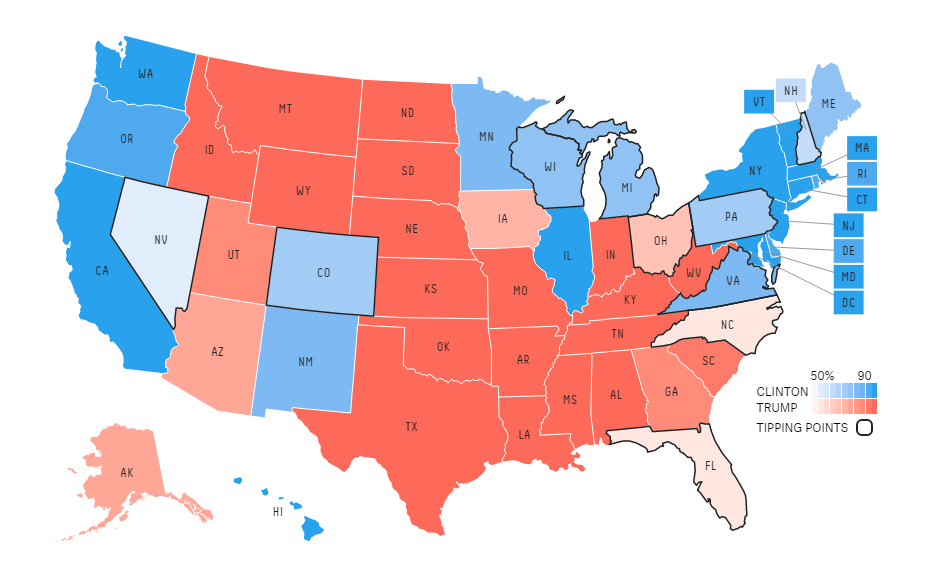
With just a few days before the United States election, it’s inevitable that at least some of us are considering what our Naturalistic Paganism (under any name, and similar paths as well), has to do with our politics. While I of course can only speak for myself (Jon Cleland Host), I think that several aspects of any naturalistic path (including Naturalistic Buddhism, Naturalistic Judaism, Naturalistic Christianity, and more) make the question of political involvement pretty clear, and don’t support the idea that as a blog about spirituality, we should avoid anything political. Read More
Buy Godless Paganism (paperback)

Buy Godless Paganism (ebook)


Pagan Coming Out Day – May 2nd
 Naturalistic Paganism