 Naturalistic Paganism
Category: Latest Posts
“What the Dress Can Teach Us About Spirituality” by Trellia

The Dress serves as a very useful metaphor for exploring spirituality and religion, and what religious belief can mean.
Read More“8 Ancient Rituals to Renew Your Life, Spirit & Happiness” by Debra Macleod

Those who identify as “spiritual but not religious” often struggle to find spiritual expression or rituals that complement their humanist values and reason. If you’re nodding your head right now, check out these ancient traditions practiced by Vesta’s faithful to see whether they can help you renew your spirit while simultaneously strengthening your home life.
Read MoreMid-Month Meditation: “Nietzsche’s Unknown God”
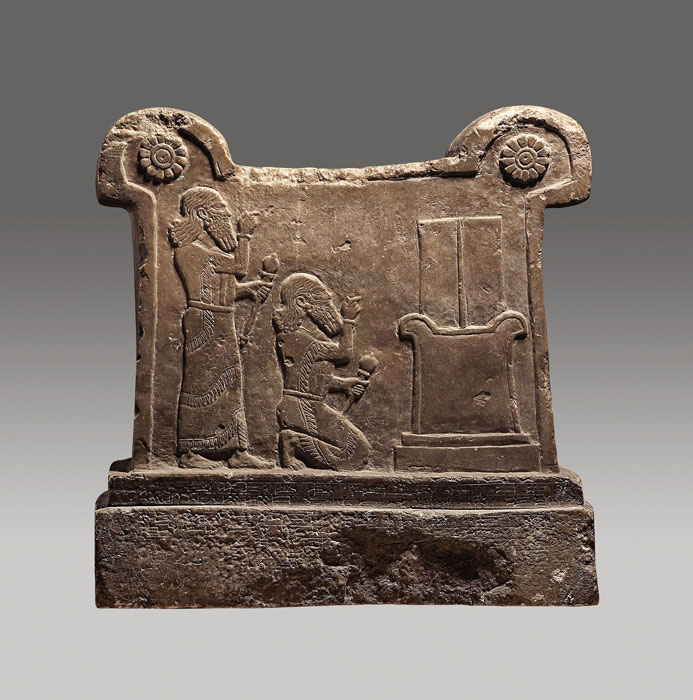
Despite being an atheist, perhaps Nietzsche had what is sometimes called a “God-shaped hole” in his being; perhaps he experienced God, not as the absence of a presence, but the “presence of an absence”. Have you ever felt something like this?
Read More“Pantheism, Archetype, and Deities in Ritual, Part 3” by Shauna Aura Knight

At a certain point, I leave the theological wrestling behind. I focus on technique and what works. Singing works, drumming works, chanting works, dancing works. Trance language works. And story works, every time. Whether I believe they are gods or just old stories, it doesn’t really matter. The stories themselves drive us and inspire us; always have, probably always will.
Read More“Pantheism, Archetype, and Deities in Ritual, Part 2” by Shauna Aura Knight

I believe that we cannot encompass the whole of the divine, and our story-loving minds not only want to tell stories about what we see and make meaning out of it, we also tend to work better with concepts we can wrap our brains around. When we think of gods and spirits that look like us, perhaps that’s just a way that we can more easily connect to that larger divine. Perhaps we need that mirror, that gateway. Perhaps the larger divine around us is just too huge to encompass, so we shape it into a face we know well—our own.
Read MoreBuy Godless Paganism (paperback)

Buy Godless Paganism (ebook)


Pagan Coming Out Day – May 2nd
 Naturalistic Paganism