 Naturalistic Paganism
Category: Science and Religion
This Summer’s Eclipse will be Beyond Words!

The total eclipse this August 21st will hold dozens of millions of people in awe (including both Americans and eclipse chasers), and will be the most photographed, selfied, live streamed, and documented moment in the history of the Universe up to now, as far as we know. What will I do during those 100 or so sacred seconds? Will I prepare a ritual? Just revel in it? Hug my kids? I have no idea yet. All religions have sacred times and sacred places. For many of us (and certainly me), this will be one of those most sacred times. What will those 90 seconds be like for you? I don’t think that can be predicted – we can’t decide when the sacred will touch us.
Read MoreNaturalistic Paganism’s Spectral Challenge – Part Three: Preparing to Encounter the Specters by Émile Wayne

Part Three will move us from the speculative and theoretical discussion of specters into more practical, ethical considerations. First, we need to think about why these encounters are necessary, and how to prepare for an ethically sound, constructive encounter.
Read MoreDear Pagans: Can We Be As Picky About Science As We Are About History? by Lupa
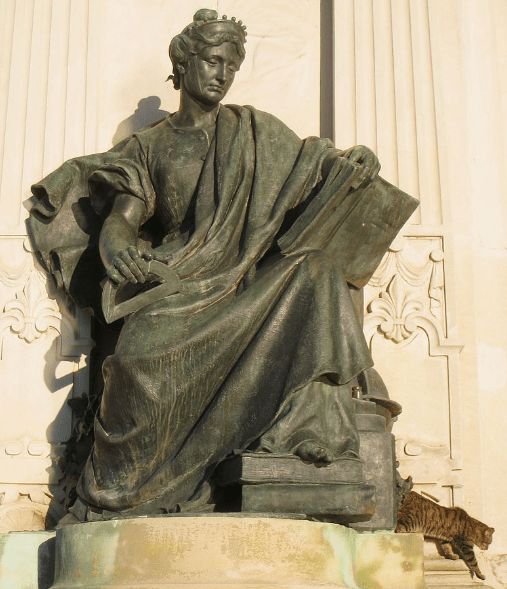
I can’t say where this process of questioning will take you, whether you’ll let go of your beliefs, or recategorize their place in your life, or just cling to them more tightly. Every person’s path winds in its own direction. But just as we have questioned our historical inaccuracies and come out the better for it, I think that as individuals and as a community we can benefit from really questioning scientific inaccuracies in the same way. Won’t you join me in this effort?
Read MoreHappy Darwin Day!
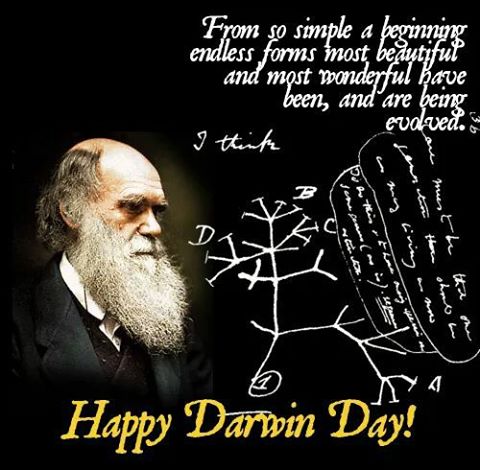
Happy Darwin Day! This commemorates the birthday of the one who contributed the theory of natural selection to our understanding of evolution, Charles Darwin.
Read MoreNaturalistic Paganism’s Spectral Challenge – Part Two: Calling the Specters by Émile Wayne
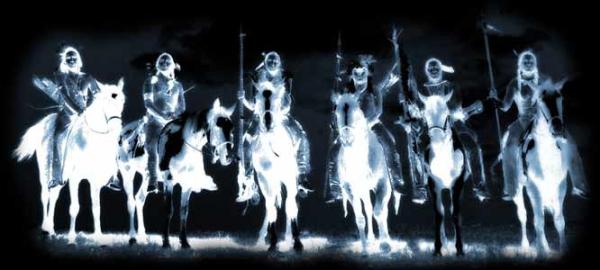
We cannot continue to live in ignorance of each other’s stories, or fail to hear the wailing of each other’s specters. What other specters haunt our landscape, our shared social and ecological flesh? Who struggles most under the weight of these legacies? Might this practice of listening to specters reshape our collective relationships to each other and the land? A whole haunted history is implicated in our traumatically fractured, complex present.
Read MoreBuy Godless Paganism (paperback)

Buy Godless Paganism (ebook)


Pagan Coming Out Day – May 2nd
 Naturalistic Paganism