 Naturalistic Paganism
Category: Gaia/Earth
Eight Ways Pagans Can Celebrate Earth Day
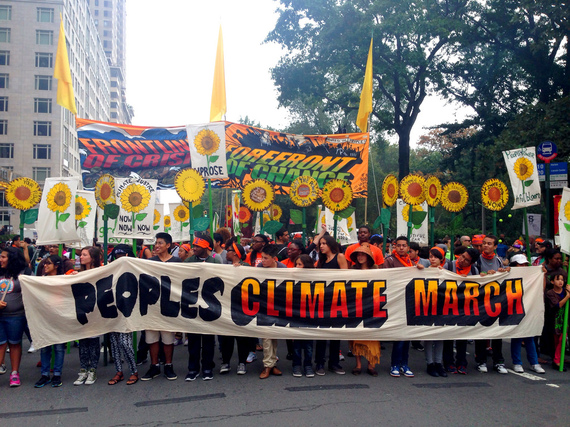
For many contemporary Pagans, Paganism takes the form of a nature religion or earth-centered spirituality. According to Religious Studies scholar, Michael York, a nature religion is one that has “a this-worldly focus and deep reverence for the earth as something sacred and something to be cherished.” Not surprisingly then, Earth Day (April 22 this year) is a holy day for many Pagans. Here are some ways that we Pagans can celebrate Earth Day.
Read MoreNaturalistic Paganism’s Spectral Challenge – Part Three: Preparing to Encounter the Specters by Émile Wayne

Part Three will move us from the speculative and theoretical discussion of specters into more practical, ethical considerations. First, we need to think about why these encounters are necessary, and how to prepare for an ethically sound, constructive encounter.
Read MoreNaturalistic Paganism’s Spectral Challenge – Part Two: Calling the Specters by Émile Wayne
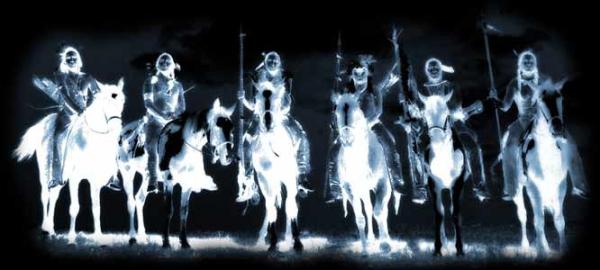
We cannot continue to live in ignorance of each other’s stories, or fail to hear the wailing of each other’s specters. What other specters haunt our landscape, our shared social and ecological flesh? Who struggles most under the weight of these legacies? Might this practice of listening to specters reshape our collective relationships to each other and the land? A whole haunted history is implicated in our traumatically fractured, complex present.
Read MoreNaturalistic Paganism’s Spectral Challenge – Part One: A Haunted Landscape, by Emile Wayne

If we wish to be re-bodied, made subjects, and called-into-being through our relationship to place, we must do so with the knowledge that the land holds the memory of suffering bodies, of exploitation, dispossession, abuse, lynching, poverty, and a whole host of other specters, all of which arose out of the wounds that are our collective history. We must be ready to listen to the voices of the specters haunting the land and our histories, even if those voices call out to some of us in rebuke.
Read More[A Pedagogy of Gaia] The Worst Animals in the World, by Bart Everson

Which leads me to something else my daughter said, just the other day, which I found even more disturbing. She and a friend altered the lyrics of some song at school to include the following zinger:
“We are the worst animals in the world.”
Read MoreBuy Godless Paganism (paperback)

Buy Godless Paganism (ebook)


Pagan Coming Out Day – May 2nd
 Naturalistic Paganism