 Naturalistic Paganism
For Discussion: Have you ever been terrified by the stars?
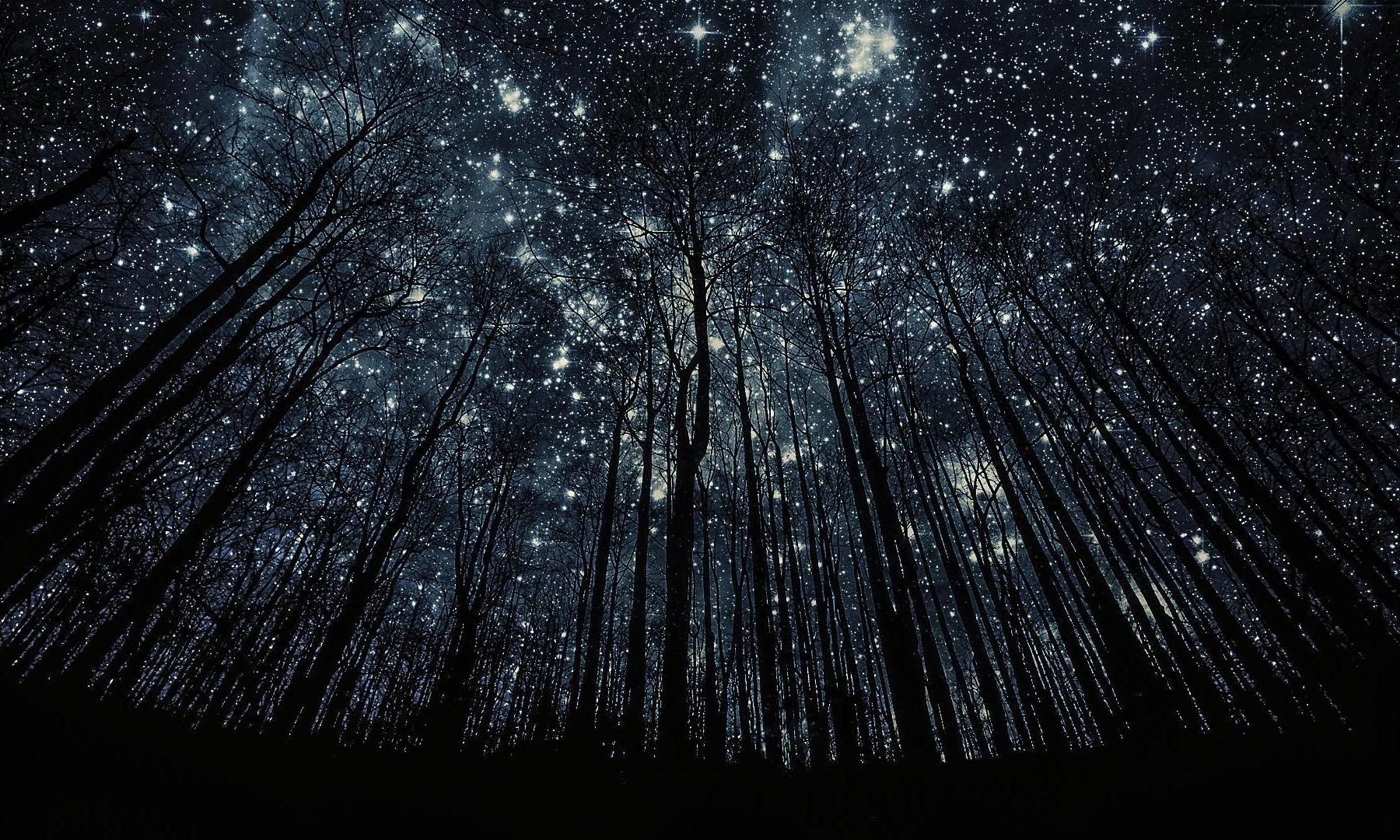
They cannot scare me with their empty spaces
Between stars–on stars where no human race is.
I have it in me so much nearer home
To scare myself with my own desert places.— Robert Frost, “Desert Places”
We Religious Naturalists often talk about a sense of awe we experience when contemplating the stars and the vastness of the universe. But religious experience is not always positive, and that is true of the experience of Religious Naturalists too. The theologian, Rudolf Otto, described religious experience as an encounter with the mysterium tremendum et fascinans, the mystery before which humans tremble and are fascinated. The holy, for Otto, not only inspired awe (fascinates), but also “fear and trembling” (tremendous). Read More
Putting things in perspective
The following is excerpted from “40 maps that explain outer space” by Joseph Stromberg.
What it’d look like if other planets replaced the moon
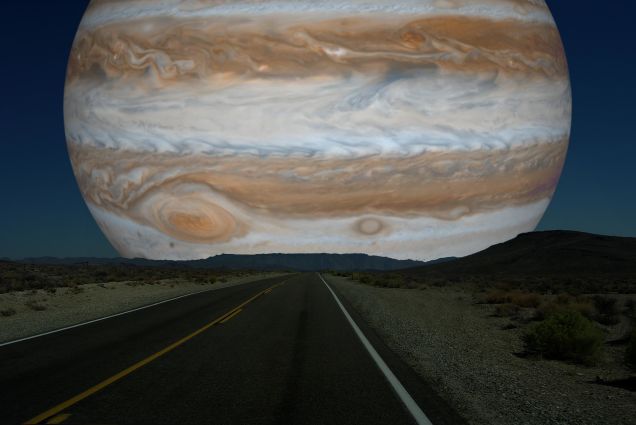
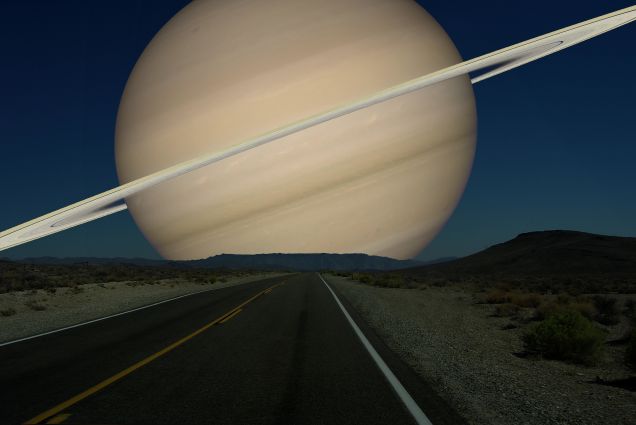
“Another way to understand how big the gas giants are is to picture what they’d look like to us if they replaced the moon. Illustrator Ron Miller did this, using a photo of a full moon over Death Valley but replacing it with each planet in turn. In this location, Uranus and Neptune would be alarmingly big, but Saturn and Jupiter would be so huge that they’d blot out a large swath of the sky. Solar eclipses, Miller points out, would last hours. (Of course, the gravitational consequences of having Jupiter that close to us would also be devastating.)”
What North America looks like compared with Jupiter
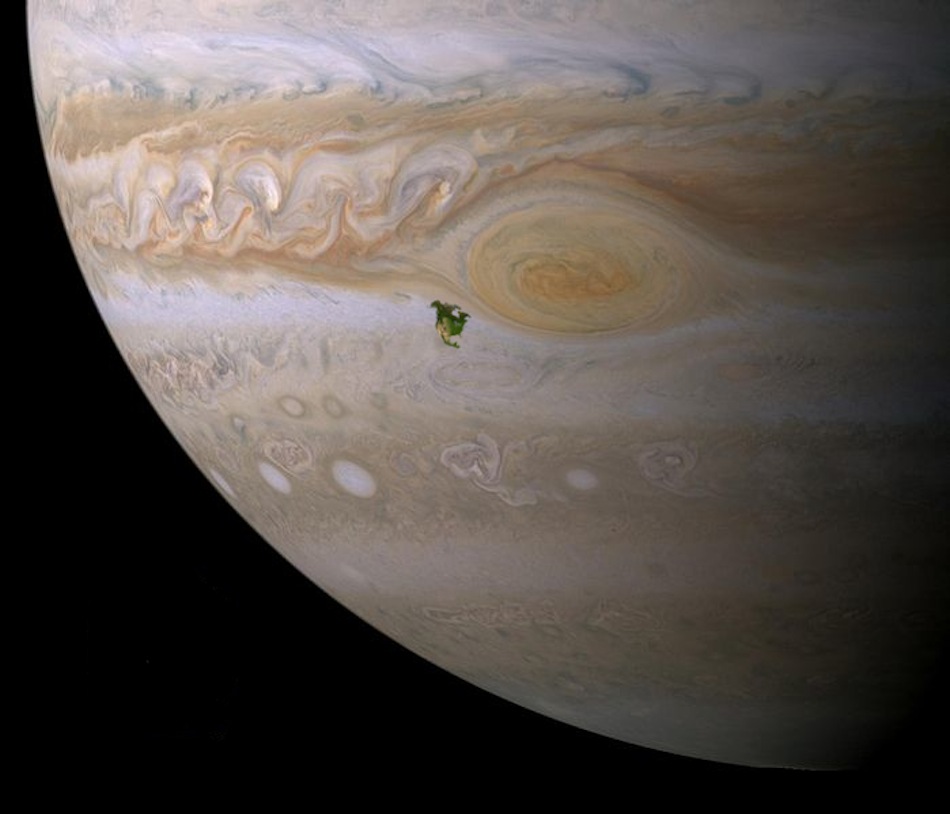
“Jupiter is famous for being big. But this image, another one of John Brady’s great astronomical size comparisons, will overwhelm you with just how big. Jupiter’s Great Red Spot — a cyclone that was first spotted in 1655 — is shrinking, but it’s still many times wider than North America. Jupiter and the other gas giants are so big because their colder temperatures allowed them to hold onto lighter gases such as hydrogen and helium, which floated away from the hotter, rockier planets closer to the Sun.”
The moon is surprisingly far away from Earth.
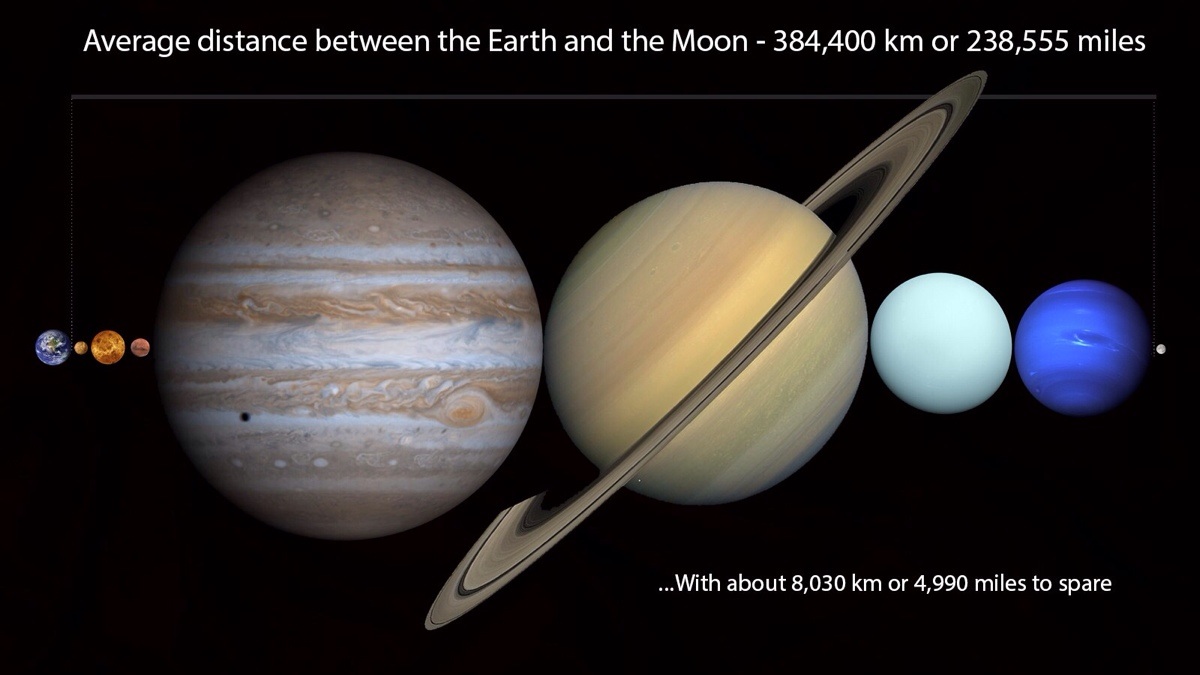
“Compared with the overall vastness of space, the moon is very close to us: it’s just 238,900 or so miles away. But compared with our daily experience, absolutely everything in space is really, really far apart. In the gap between us and the moon, you could neatly slide in all seven of the other planets, with a bit of room to spare. That includes Saturn and Jupiter, which are about 9 and 11 times as wide as Earth, respectively.”
The sun is absolutely ginormous.
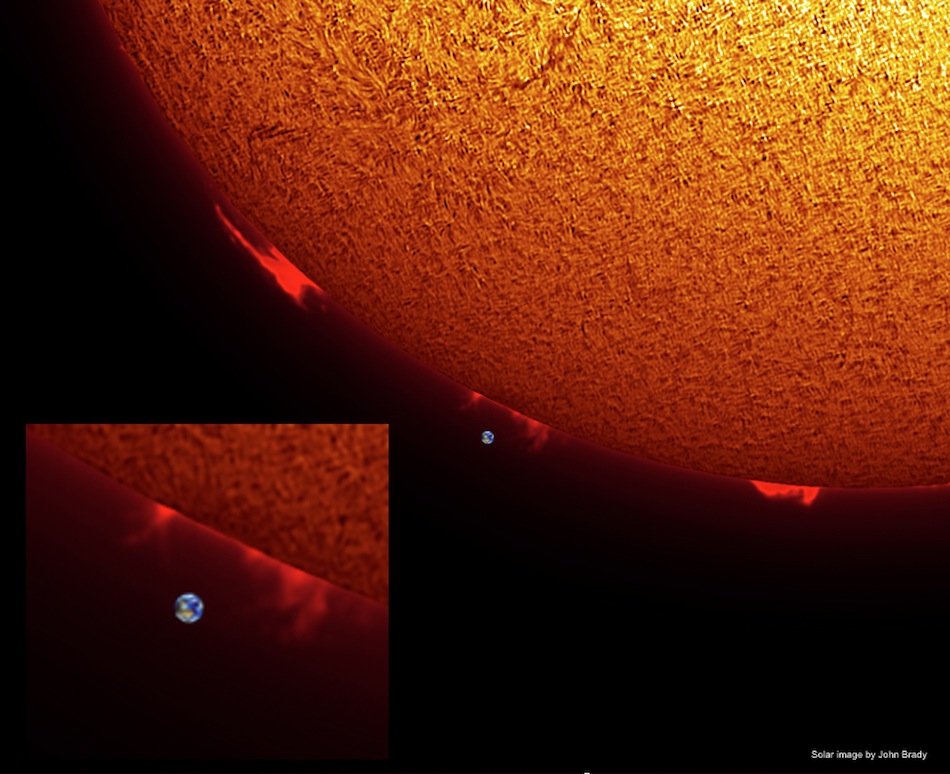
“It might not be a big surprise to you that the sun is really, really big. But this image, part of a great series on the size of astronomical objects by John Brady, underscores that it’s vast on a scale that’s simply difficult for our puny human minds to understand. We think of the Earth as a big place: flying around the equator on a 747 at top speed would take about 42 hours. Flying around the sun at the same speed, by contrast, would take about six months.”
Other stars are utterly gigantic.

“We’ve already looked at a number of incomprehensibly huge astronomical objects in these maps. But other stars (like Arcturus and Aldebaran, in pane 4) dwarf our sun in the exact same way that the sun dwarfs Earth. And even bigger stars (like Antares and Betelgeuse, in pane 5) dwarf those stars in the same way. Over and over, as we’ve looked out at the universe, we’ve found it exists on a scale that basically makes no sense to the human brain.”
We are light years from any other star.
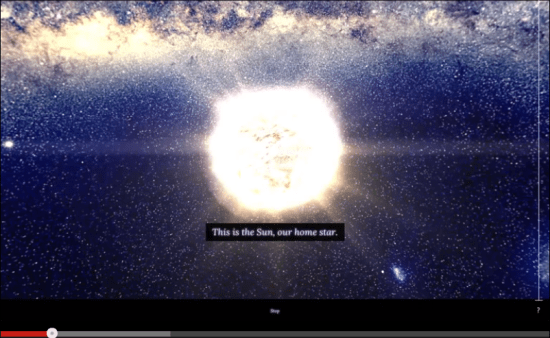
[Click the image above to watch the video.]
“Because we can see so many stars at night, it’s tempting to imagine that our solar system sits right next to other ones, like houses on a street. But the truth — as shown by this GIF made from the 100,000 Stars explorer — is that our solar system, like most others, is a lonely one, like a single house in an entire city. You have to zoom way, way out (several light years) to see just a handful of other stars. By analogy, if you put Earth at home plate and the sun on the pitcher’s mound, the next-closest star would be 800 miles away.”
The Milky Way galaxy is incomprehensibly huge.
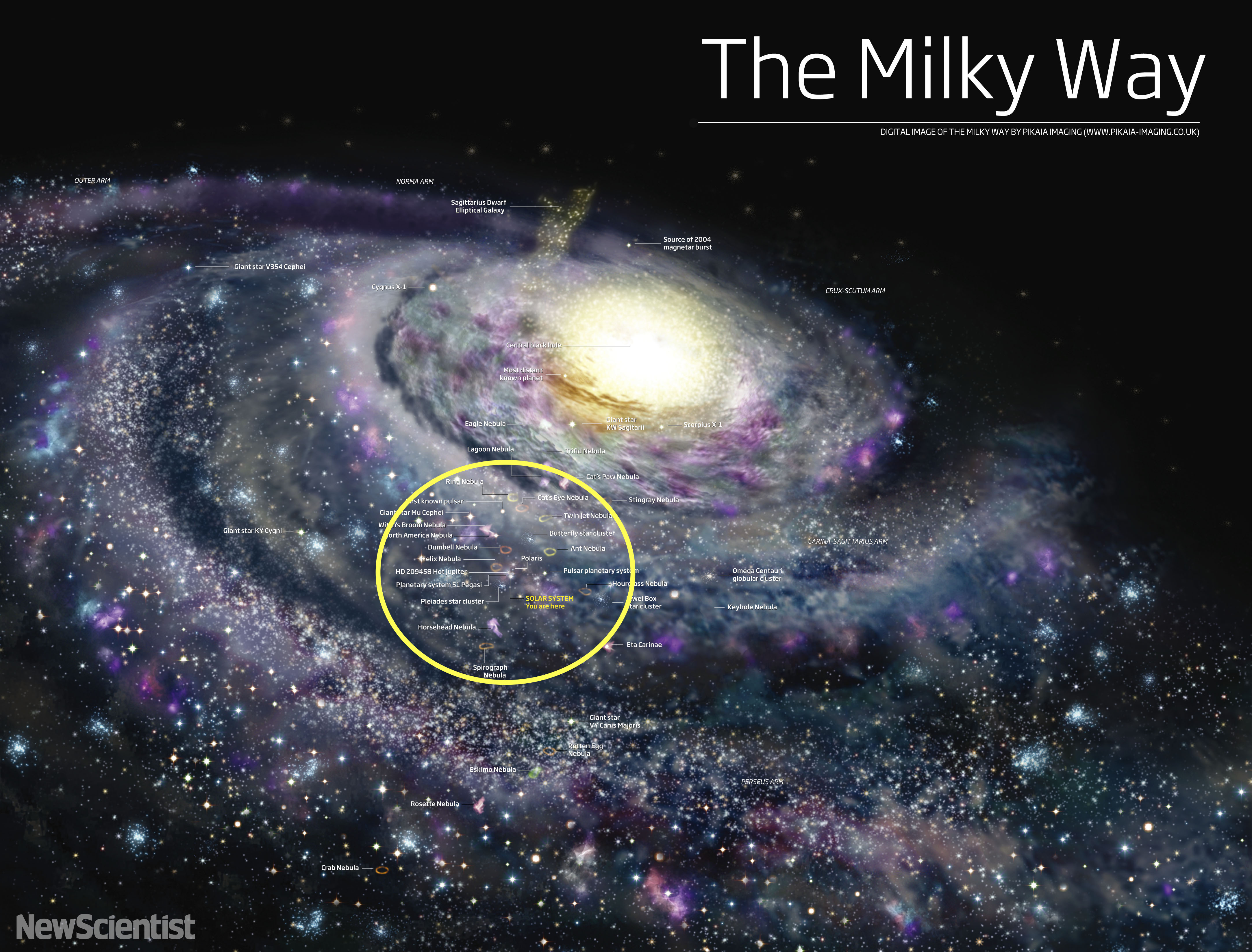
“Sure, stars are huge. But the Milky Way is, once again, mind-bogglingly bigger. This rendering, which shows the galaxy in its entirety, is a way of seeing that. The yellow circle likely encompasses every star you’ve ever seen in the sky without the aid of a telescope. It’s based on the fact that under ideal conditions, people in the Southern Hemisphere can see the especially bright star system Eta Carinae — but in most places, the yellow circle would actually be much smaller. In either case, it’s clear that the vast majority of our home galaxy — which contains at least 100 billion stars like ours — is simply beyond the realm of what our eyes can observe.”
There are untold billions of galaxies.
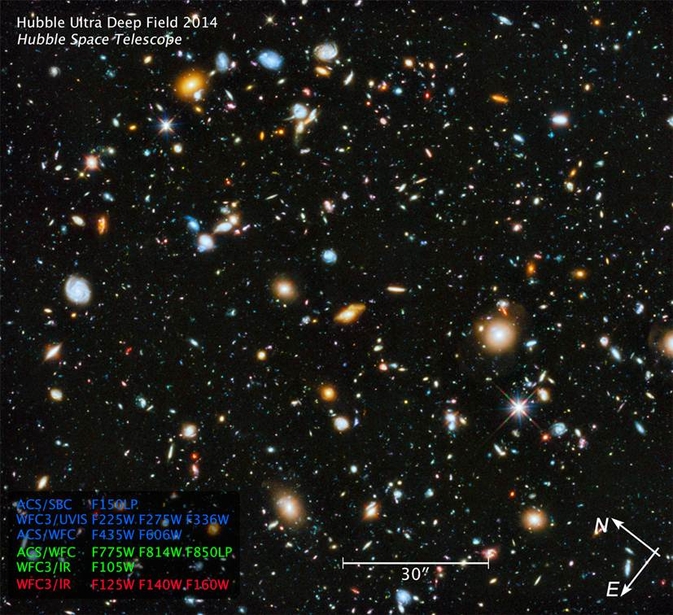
“If we look hard enough, we can actually see these distant galaxies ourselves. This image, taken by the Hubble space telescope, shows an ultra-zoomed-in view of a tiny slice of the sky, a fraction of the size of the moon. Looking this deeply into the sky revealed more than 10,000 galaxies, and because of the time it takes for their light to reach us, this photo shows some of these galaxies as they were more than 13 billion years ago — shortly after the formation of the universe.”
Call for Articles: April’s Theme is “Nature”

The Roman emperor Marcus Aurelius was born this month (April 20) in 121 CE. Marcus Aurelius was a Stoic philosopher. The Stoics equated Nature with God. The American naturalist John Muir was also born this month (April 21) in 1838. Muir is one of the patron saints of the environmental movement. He was an early conservationist and the founder of the Sierra Club. Earth Day is also celebrated this month, on April 22. In honor of these events, our theme for the month of April will be Nature. We are also looking for articles on Stoicism.
Send your essays and articles to humanisticpaganism [at] gmail [dot] com.
The Wheel of Evolution, by Eric Steinhart: Ostara

Dr. Eric Steinhart draws on his philosophical background to create a naturalistic foundation for the Pagan Wheel of the Year. To better understand axiarchism, the philosophy on which Dr. Steinhart draws to create a Naturalistic Pagan theology, see Part 1 and Part 2 of his essay “Axiarchism and Paganism”.
At the Spring Equinox, which begins Ostara, the strength of the day rises to meet the strength of the night. The light briefly comes into balance with the darkness, and then surpasses it. Ostara represents the triumph of the light. It signifies the emergence of a novel type of illumination, a new concentration of holy fire.
For Pagan Naturalists, this new type of illumination is life. Perhaps our universe contains an enormous plurality of planets covered with life; perhaps life flourishes on many billions of planets in the Milky Way. But we are aware of only one inhabited planet, namely, our earth. So, to continue their interpretation of the Wheel, Pagan Naturalists focus on the earth. On earth, molecules congregate to form living cells, cells evolve into complex multicellular organisms. These organisms become reptiles, mammals, and primates. On earth, life flourishes, covering the planet with rich ecologies.
Inanimate things are indifferent to their own possibilities. Methane molecules do not care whether or not they burn. But living things sort their possibilities by preference: they assign utilities or desirabilities to those possibilities. And, when they are driven away from their preferred possibilities, they suffer. Suffering involves desire. When an organism suffers, it wants to not be in the condition which aroused that suffering. If an organism suffers from hunger, it wants to not be hungry. The meaning of any desire is a class of possible universes in which that desire is satisfied. Every desire aims at the truth of some proposition. Hunger means I want that I have food. It aims at the truth of the proposition that I have food. If any organism desires some proposition, then the meaning of that desire is the set of all possible universes in which that proposition is true.
When an organism suffers, it makes demands based on its preferences: it demands to exist in some universe in which it is in a positive state rather than its current negative state. It demands to be in a state of higher value. If an organism suffers from hunger, then it demands to exist in a universe in which it is not hungry. All suffering is a demand for the actuality of valuable potentials which were not actualized by this universe, but which could have been actualized, and which are actualized in other possible universes. Since suffering makes demands based on value, it makes axiological demands.
An axiological demand is a proposition whose truth follows from the nature of the thing which makes it. If you are hungry, your biological nature demands food; you do not have to say that you are hungry in order for your nature to make that demand. Axiological demands do not have to be spoken or written down in order to exist. Moreover, things that lack the capacity for thought and speech can make axiological demands. Bacteria neither think nor speak. Yet a bacterium, dying from exposure to an acid, demands to be healthy and to persist; it demands to divide, to make an infinity of offspring. These axiological demands follow from its nature as theorems follow from premises.
Since every axiological demand is a petition for some more valuable situation, every axiological demand is a natural prayer. On this naturalistic approach to prayer, prayers need not be spoken nor heard. To pray is to produce axiological demands. Every suffering thing prays: humans pray; birds pray; plants and protozoa pray. They pray for the actuality of possible universes in which their desires are satisfied. The content of a prayer is a set of possible universes in which the suffering which aroused it is satisfied. It is a set of possible universes in which the prayer is answered. Any universe in that set is an answer to the prayer. A possible universe which answers a prayer is a utopia.
All suffering demands that our universe be other than it is, and that the sufferer be other than it is. If you are hungry, then you do not actually exist in any of the possible universes in which you want to exist. What exists in those other universes are versions of yourself which are not hungry, and which, by that very fact, are not identical with you. Suffering means that you want to be somebody else, somebody whose life resembles your life in every respect except those respects which involve your suffering. These distinct but similar versions of your life are your counterparts. As living things are born, suffer, and die, they demand the actuality of possible universes in which their counterparts do not suffer, in which they are happy and immortal. Organism by organism, our universe demands to be other possible universes. And so our universe surrounds itself with utopias which satisfy its axiological demands. These utopias are the answers to the prayers of suffering things. But they are not yet actual; they lie in the shadow of mere potentiality.
The Author

Eric Steinhart is a professor of philosophy at William Paterson University. He is the author of four books, including Your Digital Afterlives: Computational Theories of Life after Death. He is currently working on naturalistic foundations for Paganism, linking Paganism to traditional Western philosophy. He grew up on a farm in Pennsylvania. He loves New England and the American West, and enjoys all types of hiking and biking, chess, microscopy, and photography.
Spring Equinox

Today is the Spring Equinox in the Northern Hempisphere, the day when the days are the same length as the nights. From this day on, until the fall equinox, the days will be longer than the nights. This is the bright time of the year.
Many Pagans call this day “Ostara”, which derives from the name of a Germanic goddess of the spring, Eostar or Eostre, the same word from which Christians get “Easter”, which is celebrated on the first Sunday after the New Moon after the Spring Equinox. In the Christian tradition, this is the season of Christ’s resurrection. All around us nature is experiencing a resurrection as well. Read More
Buy Godless Paganism (paperback)

Buy Godless Paganism (ebook)


Pagan Coming Out Day – May 2nd
 Naturalistic Paganism