Naturalistic Paganism
Summer Solstice for Humanistic Pagans

Today is this summer solstice.
Bart Everson of A Celebration of Gaia observes how those in the United States have forgotten the meaning of the summer solstice:
“Sadly, most Americans are ignorant of this seasonal moment. We seem marginally more familiar with the winter solstice, probably because of the vast commercial pressures that have accreted around that time in late December. Even so, most of us remain unaware that the winter solstice, our time of maximum tilt away from the sun, is the inverse, the opposite, the antithesis of the summer solstice. Six months removed from one another, we might regard these two celestial events as antipodes, points on opposite sides of a circle representing the cycle of the seasons. Read More
[Starstuff, Contemplating] “Celebrating the Sun on Summer Solstice” by Heather and Jon Cleland-Host
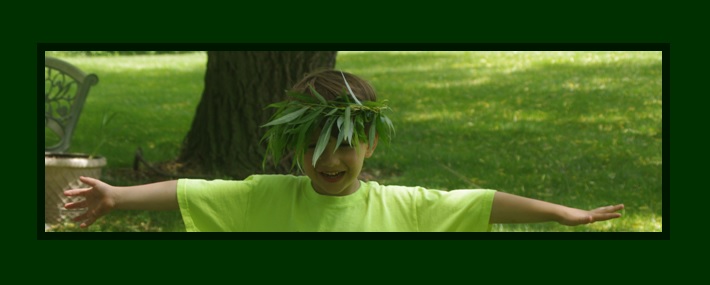
Starstuff, Contemplating is a regular column at HumanisticPaganism.com: “We are assemblages of ancient atoms forged in stars – atoms organized by history to the point of consciousness, now able to contemplate this sacred Universe of which we are a tiny, but wondrous, part.”
Come celebrate in the heat of the Sun! Summer Solstice (or Litha) is the longest day of the year. The Sun rises early and sets late into the night. In some places, it does not set at all. Though it is the longest day of the year, it is not as hot as it will be in August when the hot temperatures peak. Here in Michigan, the season leading up to the Summer Solstice is perhaps the easiest time to get ourselves (and the kids) outdoors. School is just out, and the kids are ready to party. It’s a time for barbeques, a day at the beach or on the lake, campfire stories and roasting marshmallows, stargazing on a warm summer night, and more. Solstice feels magical, so it is no surprise that it is the time of a magical story like Shakespeare’s Midsummer Night’s Dream. Read More
Summer Solstice Music Mix by Bart Everson

Summer solstice songs are few and far between. Sure, there’s any number of pleasant if generic instrumental electronic jams that reference the longest day in their titles, but substantive connections are harder to find. In fact, if it weren’t for Shakespeare, we’d have mighty slim pickings indeed. Props to the Bard. Enjoy, and Happy Solstice!

Click on the image above to play.
The Mix-Master: Bart Everson
 In addition to writing the A Pedagogy of Gaia column here at HumanisticPaganism, Bart Everson is a writer, a photographer, a baker of bread, a husband and a father. An award-winning videographer, he is co-creator of ROX, the first TV show on the internet. As a media artist and an advocate for faculty development in higher education, he is interested in current and emerging trends in social media, blogging, podcasting, et cetera, as well as contemplative pedagogy and integrative learning. He is a founding member of the Green Party of Louisiana, past president of Friends of Lafitte Corridor, sometime contributor to Rising Tide, and a participant in New Orleans Lamplight Circle.
See all of Bart Everson’s posts.
HP Pride: Meet Trellia
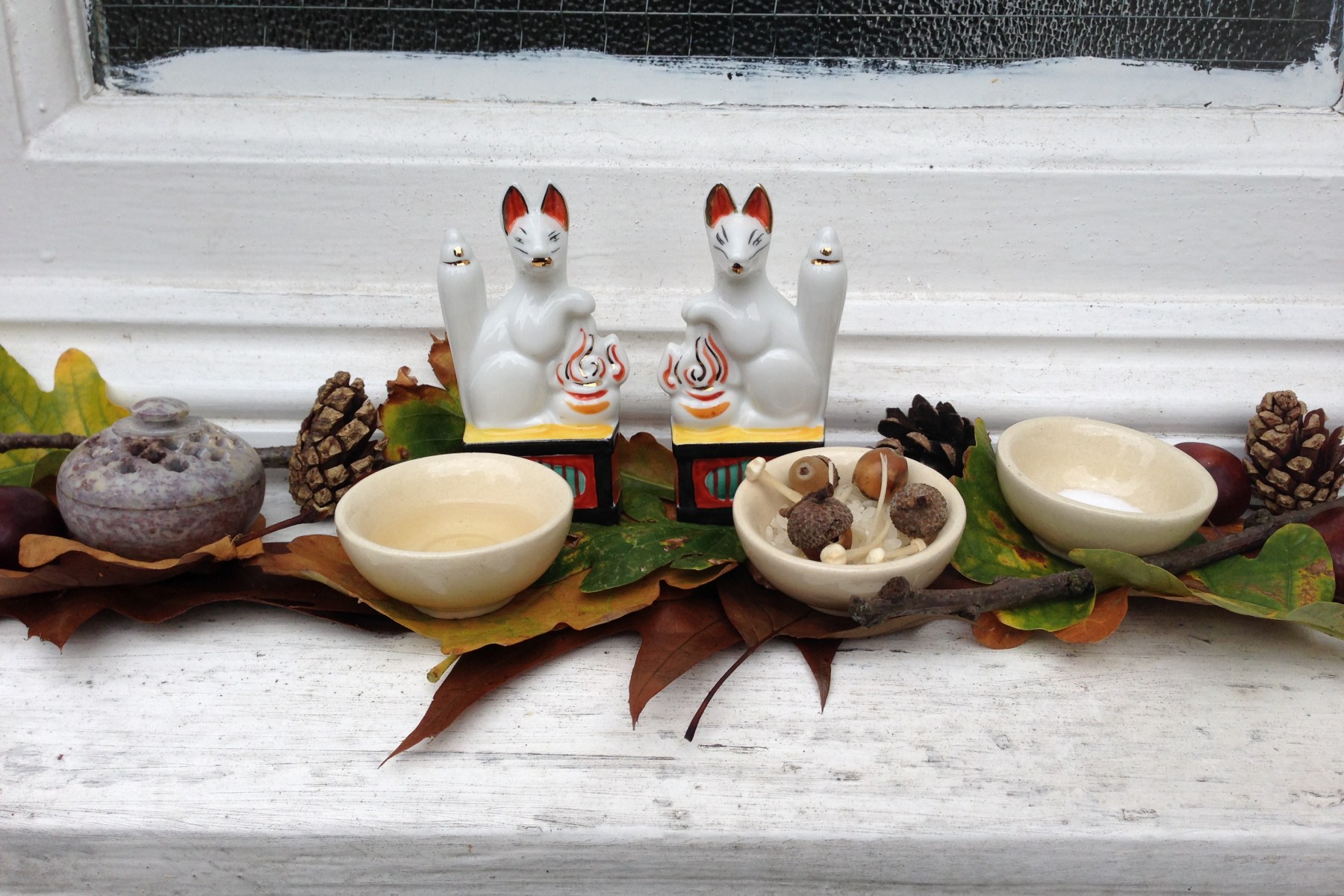
HP Pride is a new monthly column where we interview members of the Humanistic Paganism community and other like-minded friends. One or more interviews will be published every month. If you are not a “Big Name Pagan”, or if you have never written online before, all the better! We want to hear from everyone! If you’d like to be interviewed, just click this link and follow the instructions. Today we are interviewing Trellia. Read More
The Human Animal, by Paula Barkmeier
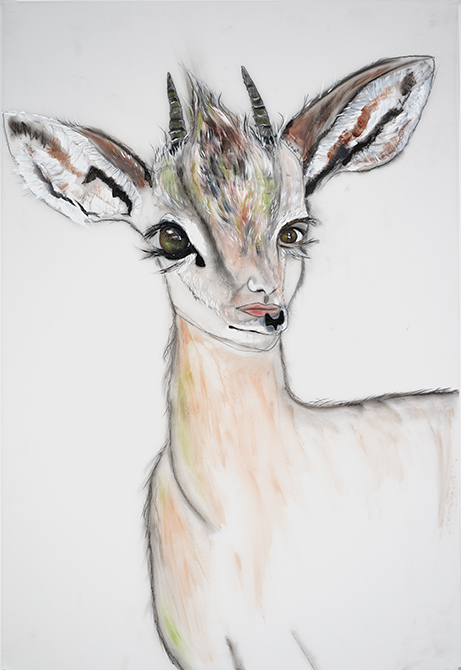
We encourage our readers to use these Mid-Month Meditations as an opportunity to take a short break from everything else. Rather than treating these posts the way you would any other post, set aside 10 minutes someplace quiet and semi-private to have an experience. Take a minute to relax first. After looking at the art below, take a few minutes to let the experience sink in. If it feels right, leave a comment.
When I caught sight of the work of Paula Barkmeier at a recent art fair, I knew the HP community would be interested. Her human-animal hybrids suggest something many of us feel but can’t easily express: our essential oneness with nature.
But there is also a certain tension: beautiful as they are, these hybrids also feel alien, occasionally even monstrous. Can we ever fully accept our animal nature? – B. T. Newberg Read More
Buy Godless Paganism (paperback)

Buy Godless Paganism (ebook)


Pagan Coming Out Day – May 2nd