Naturalistic Paganism
Racism in Pagan America

With recent events in Virginia, many people are shocked that in 2017, there are still neo-Nazis, KKK members, skinheads, and white supremacists in large, organized numbers in America. To better understand how this is the case, we need first to know what race is.
You can Help Hurricane Harvey Flood Victims Through the Foundation Beyond Belief – Naturally.

Our soundbite news cycle has already mostly moved to other things, but don’t let that fool you – recovery from Harvey will take months and years. You can send real help, making a difference in the lives of countless other humans.
Don’t want to take the time to read the details? Then just Donate here. Read More
The Birth of Human-Pig Hybrids
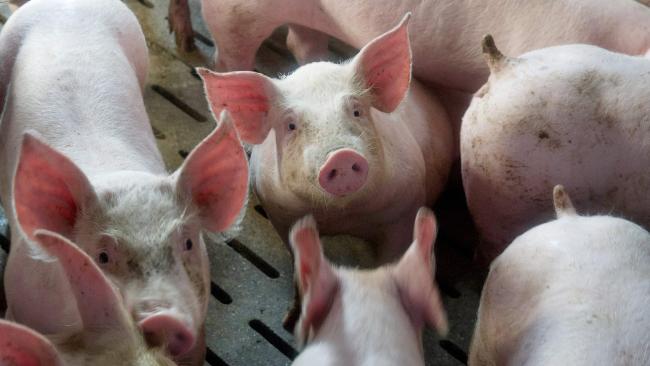
According to National Geographic, “Every ten minutes, a person is added to the national waiting list for organ transplants. And every day, 22 people on that list die without the organ they need. What if, rather than relying on a generous donor, you could grow a custom organ inside an animal instead” (2017)?
In biology, a chimera is an animal that contains cells of two different animal species. Scientists, Juan Carlos Izpisúa Belmonte and Jun Wu of the Salk Institute for Biological Studies in San Diego, California have been successfully creating chimeras by injecting mouse embryonic stem cells into rat embryos to grow healthy pancreases that they then transplanted into diabetic mice.
Read More
Eclipse Afterglow (aftershadow?) [Stardust, Contemplating]

Breathless. Words seem so pointless – those who saw it know what I mean, and I know that it can’t be expressed in words, photos or video. The eclipse was stunning – a sudden and ineffable realization of the deep connection to the rest of our Universe that is always present but so rarely felt like this. At least I know that many others feel as verbally powerless and as speechless as I do. Read More
Naturalistic Animism: Seeing the Trees for the Ents
The Tree or the Spirit of the Tree?
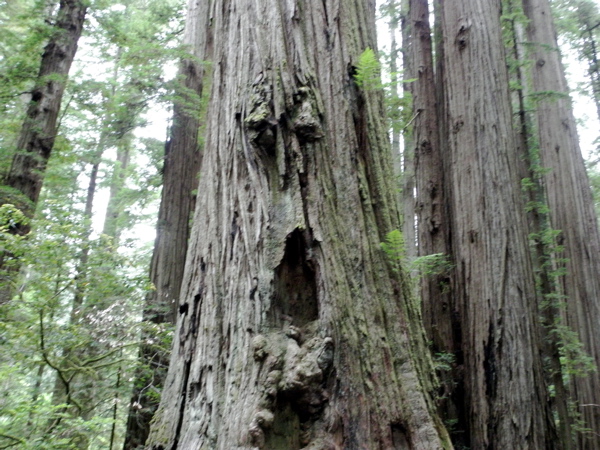
Those who believe in personal gods sometimes have difficulty understanding non-theistic nature worship. I have heard it said that we cannot possibly be worshiping natural phenomena, like the sun or trees; we must be worshiping a divine force “within” or “behind” the natural phenomena, something like Greek dryads or J.R.R. Tolkien’s fictional Ents, the personification of the spirits of the trees.
From a theistic perspective this makes sense. After all, Orthodox Christians do not worship their icons, and Pagan polytheists do not worship the statues that represent their gods. So some theists have difficulty understanding the non-theistic worship of physical nature. They assume that worship requires a conscious person on the other end that appreciates the worship. And if you start with that assumption, then it seems absurd to worship unconscious nature.
On the other hand, many Naturalistic Pagans are uncomfortable with the word “worship.” But for me, worship is a natural human response to the wonder which nature evokes. It is a spontaneous expression of awe, gratitude, joy, praise…and sometimes a little fear and trembling. Read More
Buy Godless Paganism (paperback)

Buy Godless Paganism (ebook)


Pagan Coming Out Day – May 2nd