 Naturalistic Paganism
Category: Contributors
[Starstuff, Contemplating] “Celebrating hidden life – Imbolc” by Heather and Jon Cleland-Host

Imbolc is a time for reflection and anticipation. In addition to anticipating the end of winter, the emergence of plants germinating through the winter, and the birth of animals in the spring, it is doubly meaningful for those mapping the human lifetime, as it matches gestation, or the time before birth.
Read More[A Pedagogy of Gaia] “Communities of mind are necessary but not sufficient” by Bart Everson

The growth of contemporary Paganism has been fueled by communities of mind, via books and websites, to the point that most American practitioners are solitary. This is unfortunate but perhaps inevitable. As a small religious movement, many will find themselves unable to connect with others on a regular basis for the simple practical reason that we lack numbers. Even so, we are all a part of larger communities, and we have much to offer.
Read MoreThe Idea Behind PostPaganry, Part 1: Introduction, by Glen Gordon

Postpaganry is the moment when you are the most alive and aware of the world around you. Postpaganry is when that moment sweeps you away in to spontaneous ceremony and celebration of life within and all around you. Postpaganry is the place where you feel the most at home, where you connect to the natural living-world in deep and intimate ways. A Postpagan is someone who looks for the sacred everywhere they go. A Postpagan takes breath as sacrament. A Postpagan can be anybody at any time.
Read More[Rotting Silver] “Haiku Collection: Dogs” by B. T. Newberg
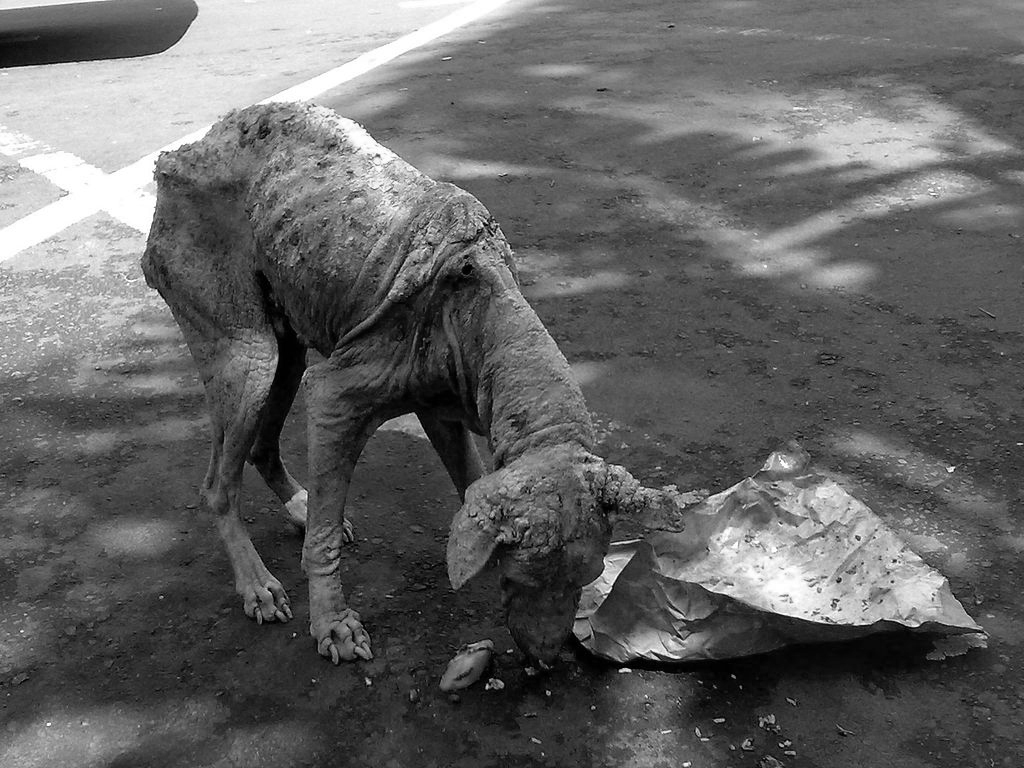
In the well-worn street A dog is barking, barking Barking at nothing In the marketplace Two dogs fighting for a bone Only one will eat
Read More“The Devil Never Did Me No Harm” by Sable Aradia
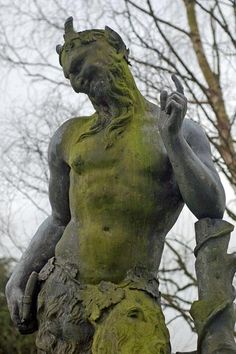
Repression is not the way of Paganism. Generally, Pagans and witches are spiritual humanists. The Horned God of the Witches embodies all of these things, and we believe in embracing these qualities, accepting them and working through them, and then learning to use them in constructive, instead of destructive ways. We do the Shadow-Work. We accept that we have a dark side, and we work with our . . . demons. Denying the Devil is not only denying our true history; it is denying part of our nature. I just don’t think that’s the witch’s way.
Read MoreBuy Godless Paganism (paperback)

Buy Godless Paganism (ebook)


Pagan Coming Out Day – May 2nd
 Naturalistic Paganism