 Naturalistic Paganism
Category: Contributors
“Stephen Hawking, Cosmology, and Spirituality” by Brock Haussamen
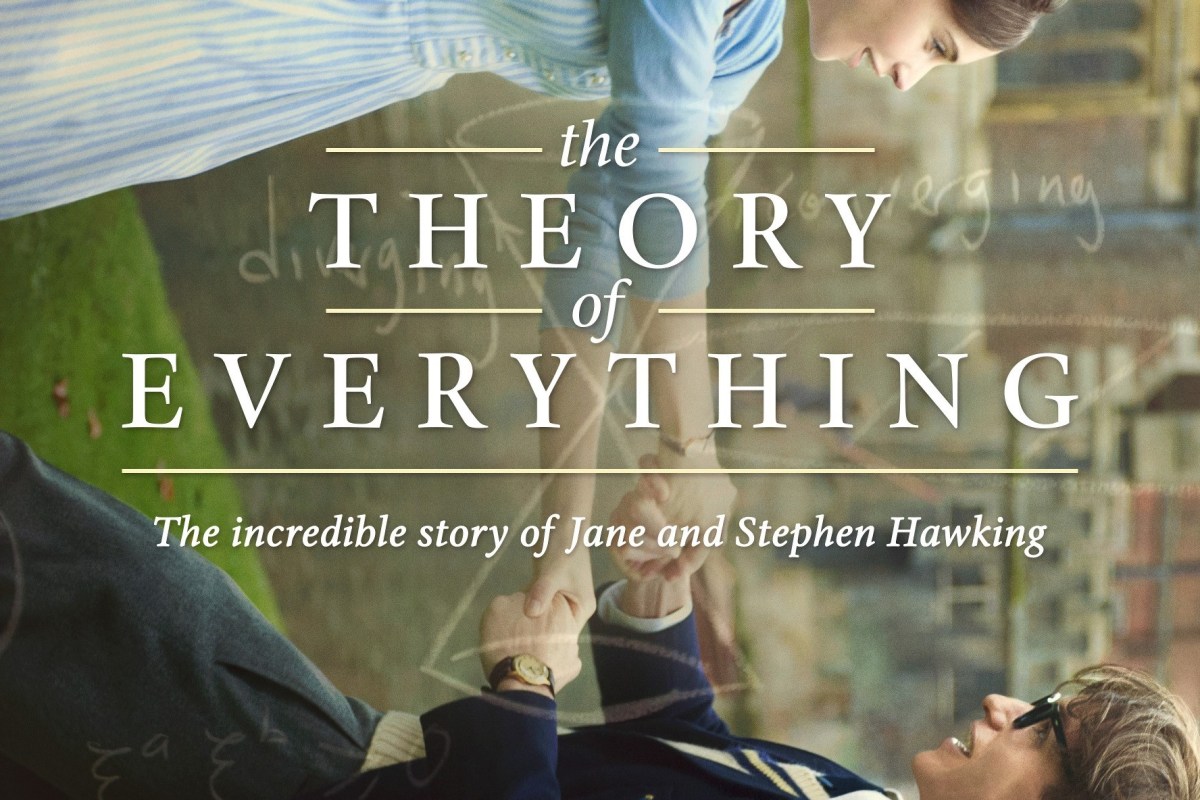
Science, always pushing the limits of knowledge, remains comprehensible to an educated audience as long they can visualize the new theories. But over time this cosmology-spirituality gap is probably slowly closing. Scientific facts and theories that were unknown or controversial a few decades ago seem to be working their way into the religious mindset gradually. Twenty years ago I would never have thought that the longevity of life over 3.8 billion years would mean much to me, but now it is central to my appreciation of life. Who knows? Perhaps my grandson will grow up to feel that string theory is his key to making sense of the world.
Read More“Turtles all the way up and turtles all the way down”: Introduction to March’s theme — Cosmos, by John Halstead
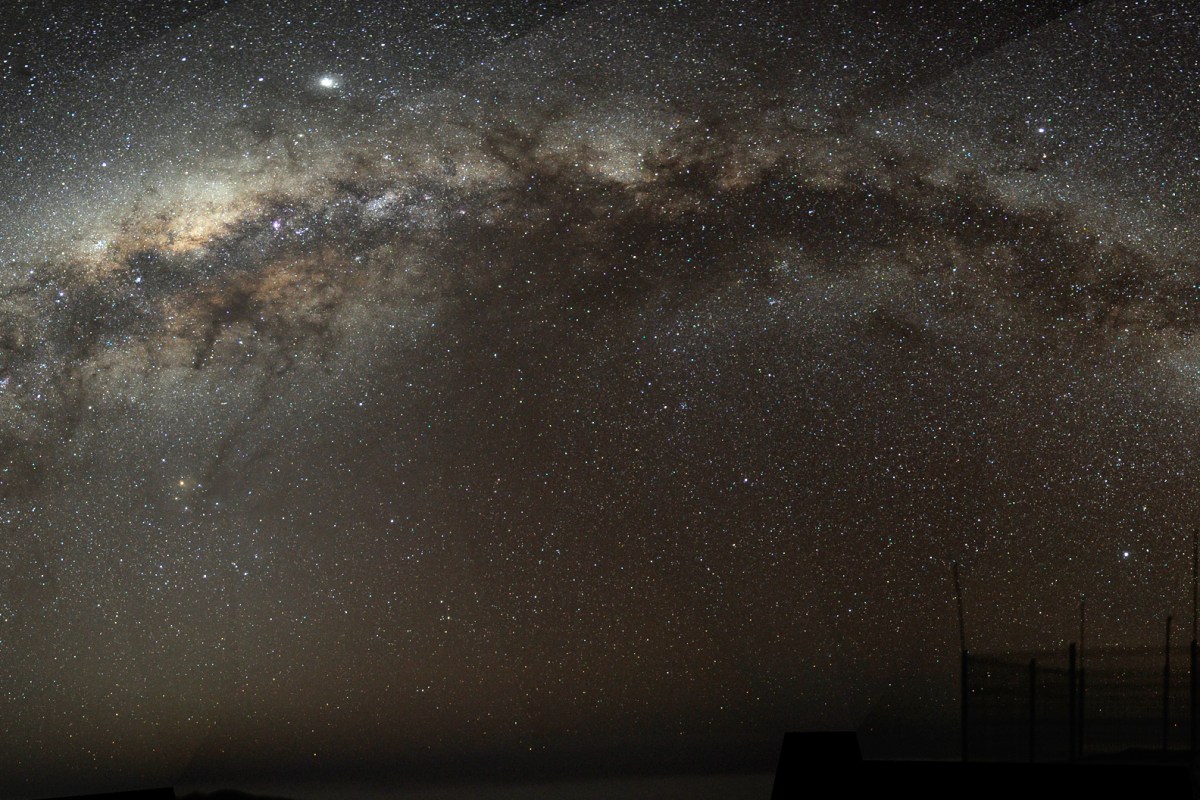
This month, our theme is the Cosmos. If you have an essay about astronomy or the stars, participle physics or quantum mechanics, or anything with huge numbers or very small ones, send your submissions to humanisticpaganism [at] gmail [dot] com.
Read MoreWe Are (Not) Special: Anthropocentrism and the Evolving Universe (Part 2), by John Halstead

Cosmic Evolution As mentioned in Part 1, if we were to go back in time and reset the course of evolution, it is highly unlikely that we would be here the second time around. On the other hand, according to…
Read MoreWe Are (Not) Special: Anthropocentrism and the Evolving Universe (Part 1), by John Halstead

I had something like a spiritual experience watching a movie recently. The movie Lucy is not what I would call a “good” movie. Starring Scarlett Johansson, Lucy is about a young woman who is kidnapped and has an bag of…
Read MorePostPaganry, Part 2: Reason and Spirituality, by Glen Gordon

Postpaganry was never meant to be a set of beliefs and practices, but a method to construct naturalistic religious and spiritual traditions from the primordial experience of being human in the exact time and place we find ourselves.
Read MoreBuy Godless Paganism (paperback)

Buy Godless Paganism (ebook)


Pagan Coming Out Day – May 2nd
 Naturalistic Paganism