 Naturalistic Paganism
Category: John Halstead
Naturalistic Paganism Toolbox: Enchant the Everyday

What simple, seemingly mundane objects or events in your life might become sacred for you? Have you ever felt compelled to pour a little water from your water bottle onto the dry ground? What would it be like to experience the numinosity of a soap dish or a window latch? What might your kettle or your cooking pot teach you about the sacred?
Read MoreDo Trees Have Rights? (the short version), by John Halstead

General acceptance of the phrase, “the rights of nature”, could trigger a paradigm shift in Western consciousness, a shift from viewing nature instrumentally–as having value only for humans–to viewing nature as inherently valuable–as having value in its own right. And that could have profound consequences for human behavior and our impact on the more-than-human world.
Read MoreCritiquing “Naturalism”, by John Halstead
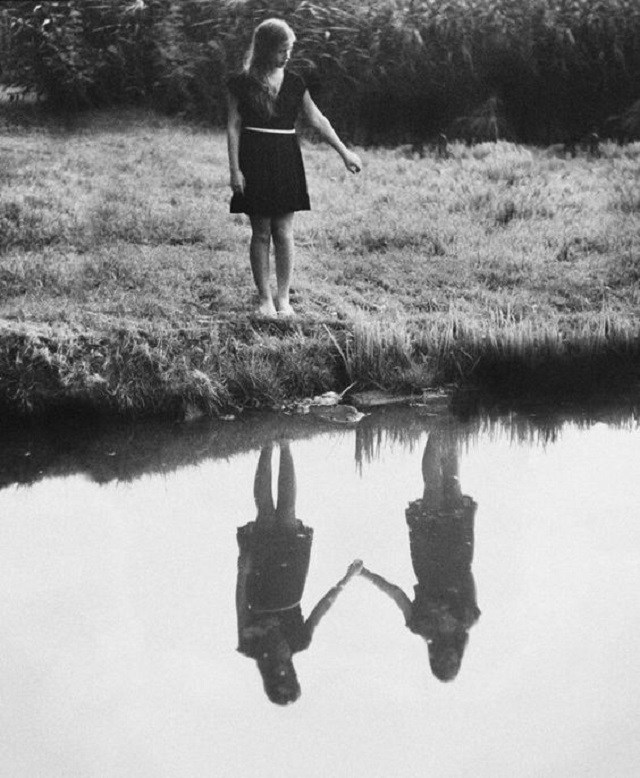
As Naturalistic Pagans, I think we are uniquely positioned to transcend the limitations of both reductionist science and superstitious forms of Paganism. We can can elucidate the distinction between subjective nature and objective nature, without denigrating the former. We can valorize human experience, without confusing experience with objects. This is how we re-enchant the world, not by looking for gods or fairies in the space between atoms or in strands of DNA, but by imbuing both–gods and atoms, fairies and DNA–with human meaning.
Read MoreThe Atheist Persecution Complex

No, I’m sorry, but being “forced” to listen to a prayer in a Unitarian church is not oppression, especially in light of the serious, systemic, and pervasive oppression of people of color in our society.
Read More10 Signs You’re Half-Assing Your Pagan Ritual

It’s no coincidence that people have started referring to Neo-Paganism as “generic Paganism”: Our rituals fail to connect us to anything larger than ourselves, they fail to communicate with our deeper selves, they they fail to awaken us to mystery and wonder, and they fail to inspire us to action. So, it’s no surprise that people go looking elsewhere for what they need.
Read MoreBuy Godless Paganism (paperback)

Buy Godless Paganism (ebook)


Pagan Coming Out Day – May 2nd
 Naturalistic Paganism