 Naturalistic Paganism
Call for Essays: Science and the Science-Religion Intersect

Isaac Newton was born December 25, 1642. Since Newton is recognized as one as one of the most influential scientists of all time and his birth date corresponds with Christmas, some humanists celebrate Newton’s birthday instead of Christmas. In honor of Newton, our themes for the month of December will be science and the science-religion intersection.
Send your articles, essays, poetry, or art to humanisticpaganism[at]gmail[dot]com.
[Rotting Silver] “Things and Gods” by B. T. Newberg

The bed lamp, pill jar, sheets, and the gods.
The I-beam, scrapyard, bricks, and the gods.
The drawstring, tongue flap, boots, and the gods.
The runway, wind sock, wings, and the gods.
The clothespin, camisole, briefs, and the gods.
The wash cloth, soap tub, bleach, and the gods.
The tea spoon, cheesecloth, sink, and the gods.
The stove-top, spice rack, plates, and the gods.
The door bolt, peephole, locks, and the gods.
The chain fence, barbed wire, gates, and the gods.
The guard dog, draw-shade, blinds, and the gods.
The doorman, password, key, and the gods.
The bow-tie, cumberbun, ring, and the gods.
The bride-gown, wine glass, toasts, and the gods.
The headboard, bedpost, sweat, and the gods.
The midwife, birth seat, blood, and the gods.
The shoelace, dollhouse, braids, and the gods.
The lip gloss, hairpins, heels, and the gods.
The stretch marks, waist lines, warts, and the gods.
The eye bags, hair dye, moles, and the gods.
The asphalt, pot hole, cracks, and the gods.
The warehouse, glass shards, rats, and the gods.
The cobwebs, dust heaps, wind, and the gods.
The raindrop, mud-clay, seeds, and the gods.
Rotting Silver is a column devoted to this Earth in all its tarnished radiance: poetry, prose, and parables of ugliness alloyed with joy.
This piece was first published at The Witch’s Voice.
The Author

B. T. Newberg: Since the year 2000, B. T. has been practicing meditation and ritual from a naturalistic perspective. He currently volunteers as Education Director for the Spiritual Naturalist Society, where he is creating an online course in naturalistic spirituality. His writings can also be found at Patheos and Pagan Square, as well as right here at HP.
Professionally, he teaches English as a Second Language. After living in Minnesota, England, Malaysia, Japan, and South Korea, he currently resides in St Paul, Minnesota, with his wife and cat.
After founding HumanisticPaganism.com in 2011 and serving as managing editor till 2013, he now serves as advising editor, and feels blessed to be a part of this community.
[A Pedagogy of Gaia] “Fleeting Visions” by Bart Everson

If I said that I saw visions, would you be alarmed?
Frankly, I’d have some concerns if I heard a statement like that. I might worry about the person’s mental health. I might question their sanity and stability. At the very least, I might wonder if they were on some sort of psychedelic drugs. (Not that there’s anything wrong with that. Standard disclaimers apply.)
In the worldview which I inherited, visions are reserved for special people. Ordinary, average, everyday, normal people don’t see visions. In ages past, visions may have been experienced by extreme religious types, by prophets and saints, but these days they’re for crazy people. Perhaps those prophets and saints were just crazy people who lived before the advent of modern psychiatric science. Perhaps if they were alive today, with proper medication and treatment, they wouldn’t suffer such visions. If they did, we’d lock ’em up.
Yet, at the risk of being locked up myself, I have to confess that I do see visions. Let me describe something I saw a few weeks ago. I saw a maiden goddess shoot a flaming arrow into a disembodied eye that floated atop an ancient pyramid. It was the briefest snippet, a fleeting vision, but I took notice, and it has stayed with me. Read More
“The Great Story”: A Non-Theistic Cosmology by John Halstead

I was recently challenged by a polytheistic Pagan who questioned whether atheist Pagans have a cosmology. There are non-theistic cosmologies. One emerging non-theistic cosmology is called “The Great Story.” It is the 14 billion year narrative of the evolution of the cosmos, the planet Earth, biological life, and human culture. Read More
[The Dionysian Naturalist] “Our Universe Is A Sacred Living System, Part 3” by Wayne Martin Melliinger, Ph.D.
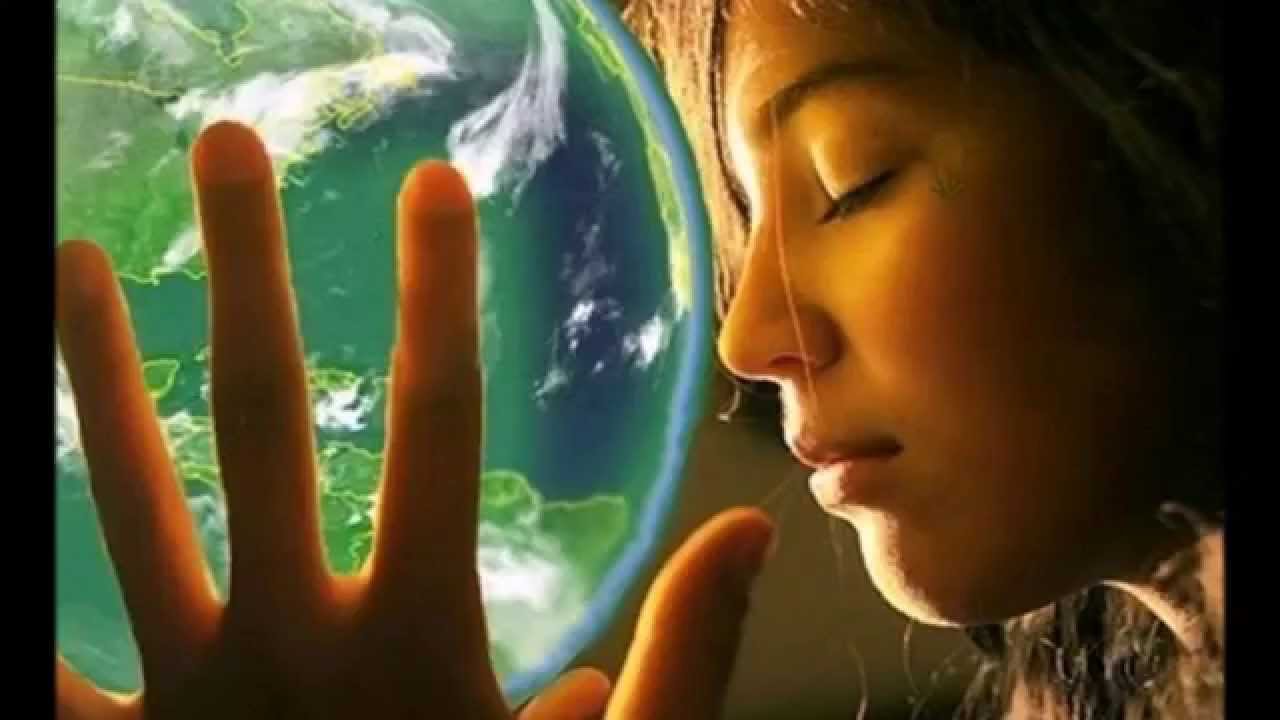
In Part 1, I reviewed the conceptions of the natural world found among our archaic ancestors. In Part 2, I addressed our modern image of nature. In Part 3, I will conclude by arguing that we need a new way of thinking about nature as a “sacred living system.”
The New Worldview
As we have seen, throughout most of human history our conception of nature was based upon the image of the sacred living cosmos, which largely supported sustainable cultural practices. We know that aspects of this conception do not fit the facts of the world and should not be re-instated. While I am certainly not anti-religious and deeply respect the religious views of other people, I find no evidence of supernatural beings that would warrant building a whole scientifically-grounded cosmology around one. Read More
Buy Godless Paganism (paperback)

Buy Godless Paganism (ebook)


Pagan Coming Out Day – May 2nd
 Naturalistic Paganism