Naturalistic Paganism
Category: Latest Posts
[The Dionysian Naturalist] “Our Universe Is A Sacred Living System, Part 1” by Wayne Martin Melliinger, Ph.D.
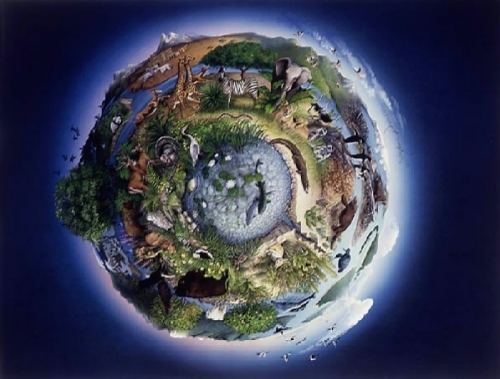
Given our current ecological crisis, enflamed as it is by global climate change and numerous other issues, we must critically scrutinize our current conceptualization of our natural world, figure out if it is contributing to our problems and consider potential alternatives that might be able to guide us to a more sustainable way of living.
Read MoreOur Newest Column: The Dionysian Naturalist by Wayne Martin Mellinger, Ph.D.

We are please to announce our newest columnist, Wayne Martin Mellinger, P.D. His column is called The Dionysian Naturalist.
Read MoreWe did it! 200% of our funding goal for Godless Paganism: Voices of Non-Theistic Pagans

Thank you everyone! This has been our best fundraising campaign to date! We collected over 200% of our fundraising goal.
Read MoreOne Pagan is Putting His Money Where His Drinking Water Comes From
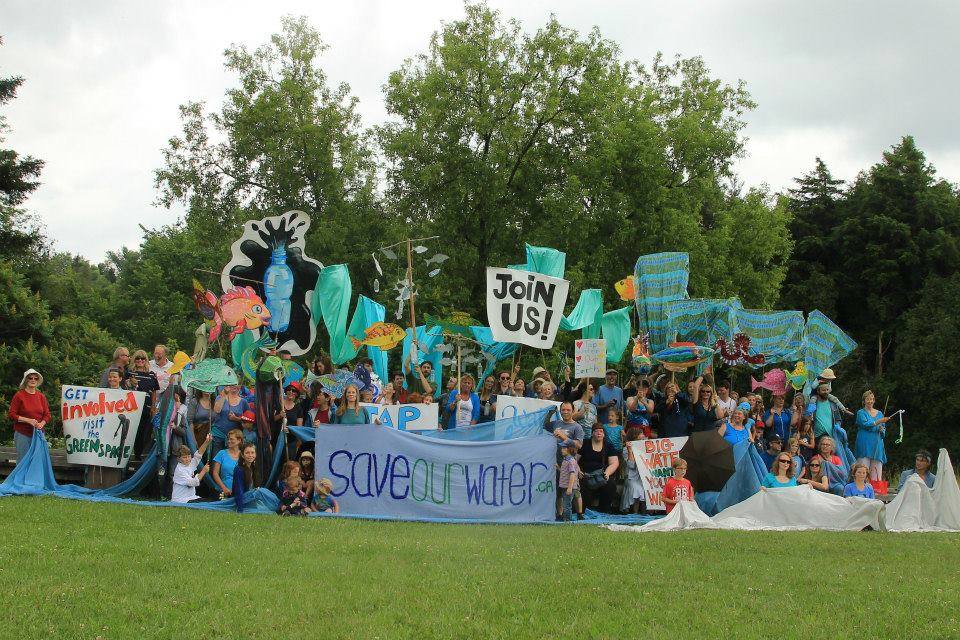
Pagan author, Dr. Brendan Myers, has been prompted to put his money where his mouth by pledging to donate the profits from the November sales of these books to a community group called Save Our Water. This comes after a recent move…
Read MoreMid-Month Meditation: “Ode to the West Wind” by Percy Bysshe Shelley
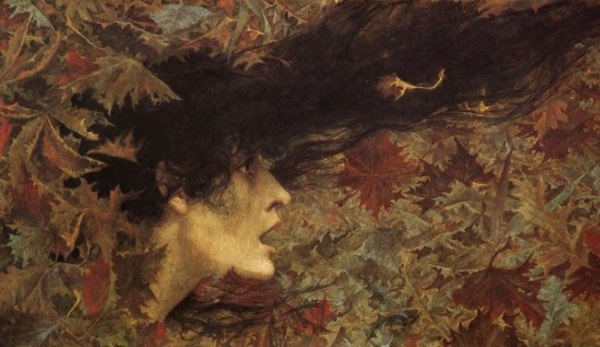
We encourage our readers to use these Mid-Month Meditations as an opportunity to take a short break from everything else. Rather than treating these posts the way you would any other post, set aside 10 minutes someplace quiet and semi-private to have an experience. Take a minute to relax first. After listening to the recording or reading the text, take a few minutes to let the experience sink in. If it feels right, leave a comment.
Read MoreBuy Godless Paganism (paperback)

Buy Godless Paganism (ebook)


Pagan Coming Out Day – May 2nd