 Naturalistic Paganism
Category: Columns
[Starstuff, Contemplating] “Celebrating Meaning in our Lives through Family Holidays” by Heather and Jon Cleland Host
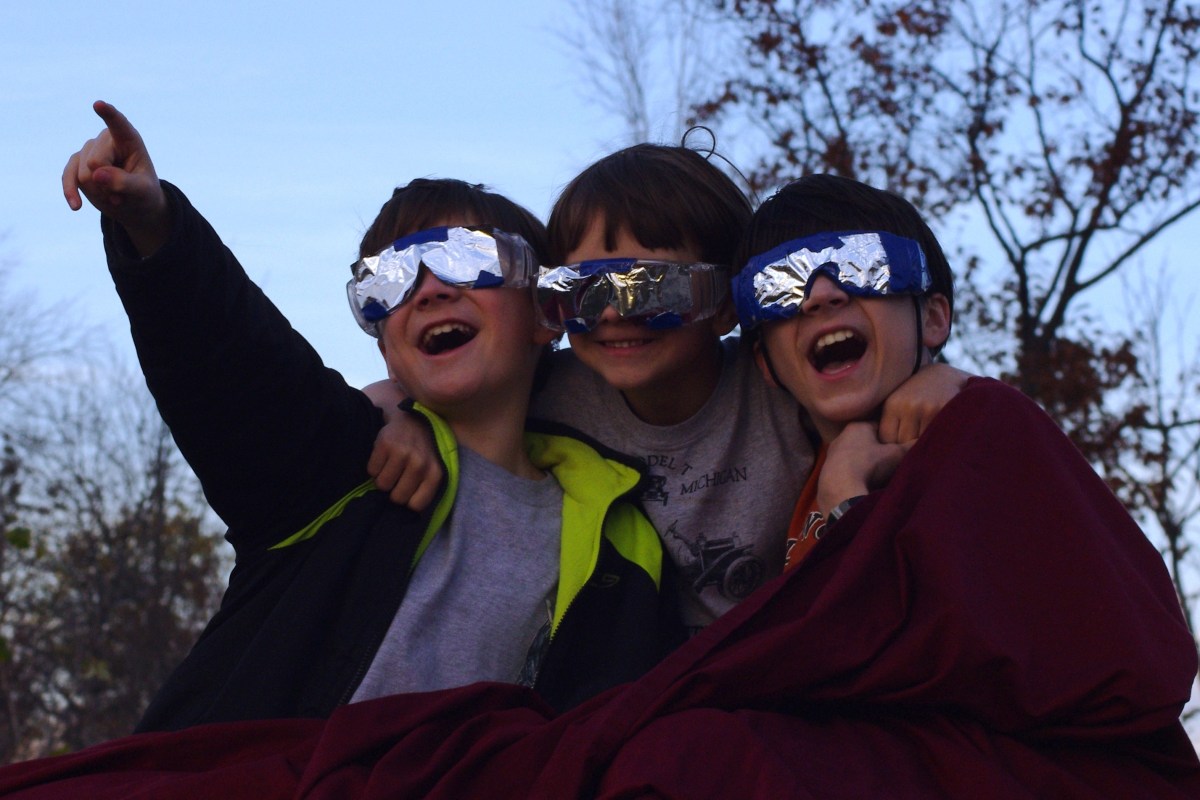
Instead of swearing off all holidays, we committed to celebrating only holidays that were meaningful and real. The eclipse of the Sun is a moment when we small humans become conscious of where we are in our solar system relative to the Moon and the Sun. It is worthy of celebrating. It is something that re-occurs though not always on the same time of the year, nor every year. We wanted something that communicated the cycles of the Universe, of our solar system, and especially our planet Earth. Most of all, we wanted something that connected us to our Ancestors and our humanity.
Read MoreAn Atheopagan Life, by Mark Green: “Observances Around the Year: November/December”
An Atheopagan Life is a monthly column about living an atheist, nature-honoring life. November and December certainly don’t lack for observances and holiday celebrations. In the temperate zone of the planet, pretty much every culture has had some way of…
Read MoreDE NATURA DEORUM: “On The Road With The Wild Hunstman” by paganaidd
De Natura Deorum is a monthly column where we explore the beliefs of Naturalistic Pagans about the nature of deity. This essay was originally published on Paganaidd’s Blog. Remember what Bilbo used to say: It’s a dangerous business, Frodo, going out your…
Read MoreThe Wheel of Evolution, by Eric Steinhart: Samhain
Dr. Eric Steinhart draws on his philosophical background to create a naturalistic foundation for the Pagan Wheel of the Year. To better understand axiarchism, the philosophy on which Dr. Steinhart draws to create a Naturalistic Pagan theology, see Part 1 and Part 2 of…
Read MoreBuy Godless Paganism (paperback)

Buy Godless Paganism (ebook)


Pagan Coming Out Day – May 2nd
 Naturalistic Paganism