 Naturalistic Paganism
Category: 1Themes
“Gaia, Our Mother Earth” by John Halstead
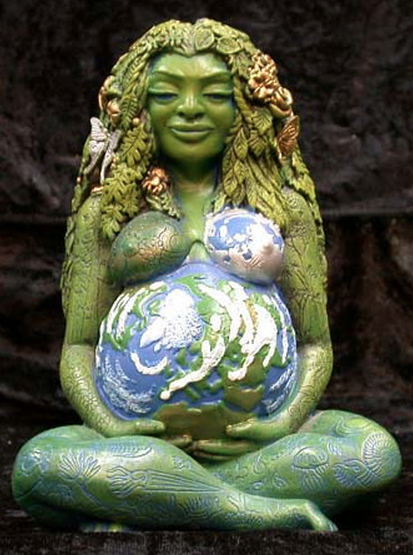
The Gaia Theory calls into question many deeply ingrained scientific and cultural assumptions and challenges us to perceive our world in a new way.
Read More“A Wild Woman is not a Girlfriend, She is a Relationship with Nature” by Alison Nappi
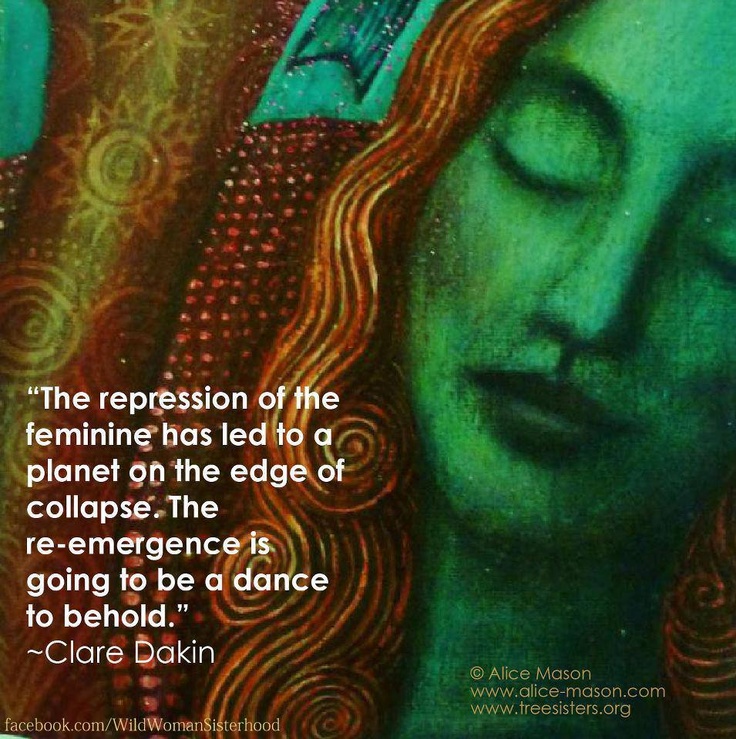
She is the lover that restores you to your own wild nature.
Read More“Change the Course: Write Your Own Story of the Year 2050” by Ben Sibelman

The Rainforest Action Network’s new Change the Course visioning process begins with a guided meditation, asking us to imagine a day in the year 2050 when people come together in a “beautiful park” to celebrate “an announcement made this morning that, thanks to deep emissions cuts, we have successfully stabilized the climate.”
Read More“A PaGaian Perspective” by Glenys Livingstone, Ph.D.
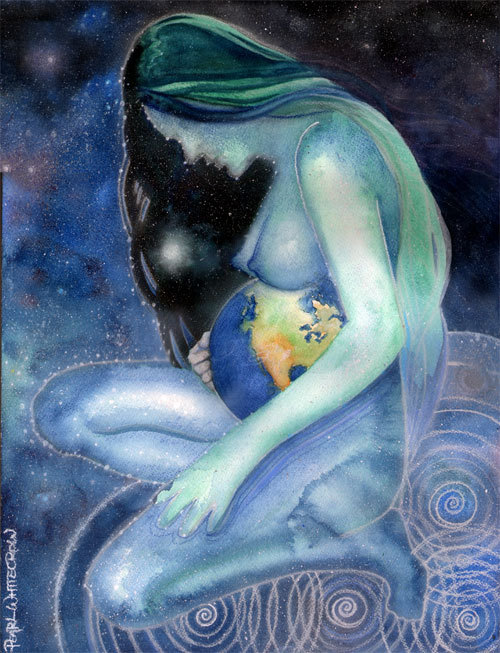
True self-knowledge includes knowledge of the larger Self: that is, knowledge of Gaia. This is Gaian spirituality – taking on the mind of the Universe, participating in the dream of the Earth, beginning to know from within the perspective of Earth, Moon, Sun, Tree – our home and habitat.
Read More“The Gaea Hypothesis: An Overview” by Dana Corby
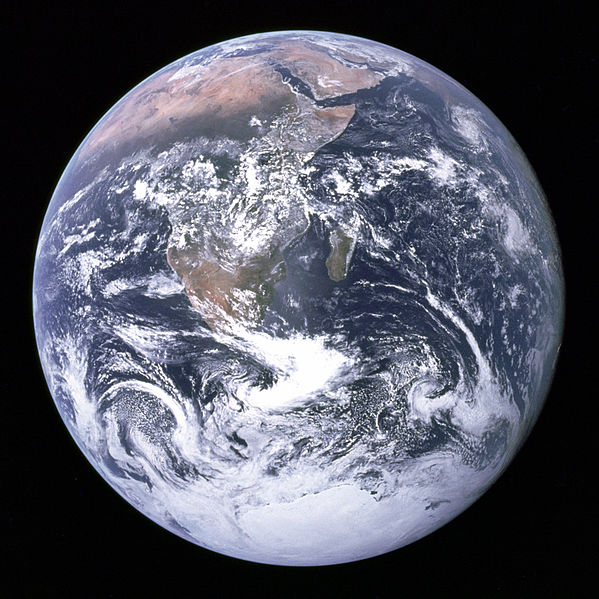
Much of the Gaea Hypothesis has been a part of the mythos and outlook of Pagans since time immemorial. It is gratifying to see mainstream scientists coming around at last to our way of seeing things. But we cannot afford smugness. Rather, we must join forces with them in an active effort to ensure that when the Omega Point arrives we are a part of the kind of magnificent being Gaea our Mother was meant to be.
Read MoreBuy Godless Paganism (paperback)

Buy Godless Paganism (ebook)


Pagan Coming Out Day – May 2nd
 Naturalistic Paganism