 Naturalistic Paganism
Category: 1Themes
“A Brief History of Neo-Paganism” by John Halstead
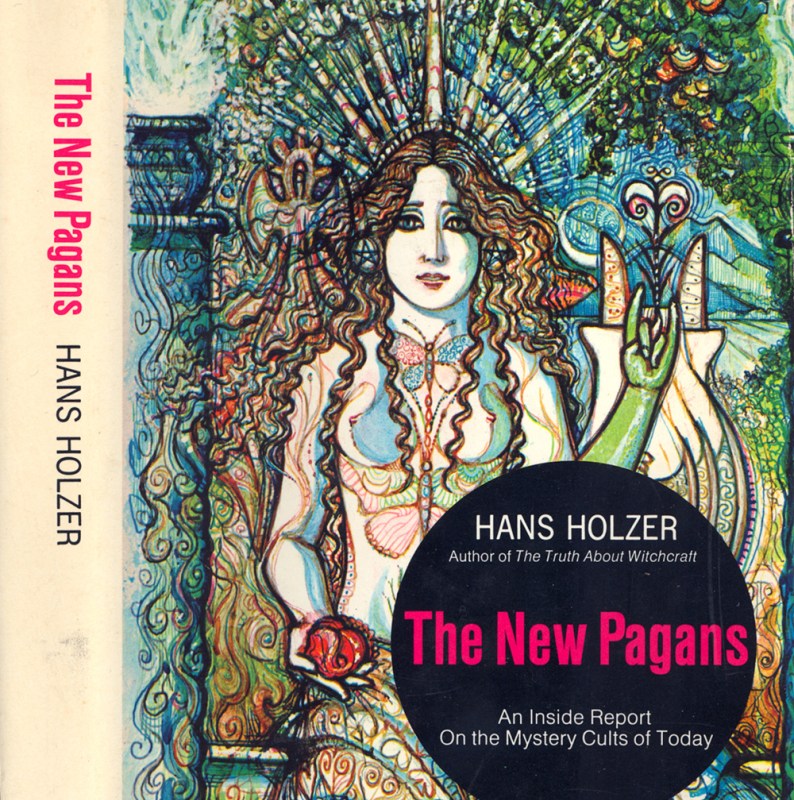
Neo-Paganism has its roots in the 19th century Romantic movement in England and Germany which saw ancient paganism as an ideological and aesthetic counter to the influence of Western modernity and industrialism.
Read More[Starstuff, Contemplating] “Hearing our Ancestors” by Jon Cleland Host

At times, our Ancestors can seem closer or farther away, though they are always within us – in our trillions of copies of our DNA. Though Samhain is half a year away, here is one of many times that I heard my distant Ancestors.
Read More“Seeing the Trees for the Dryads: Non-Theistic Nature Worship” by John Halstead
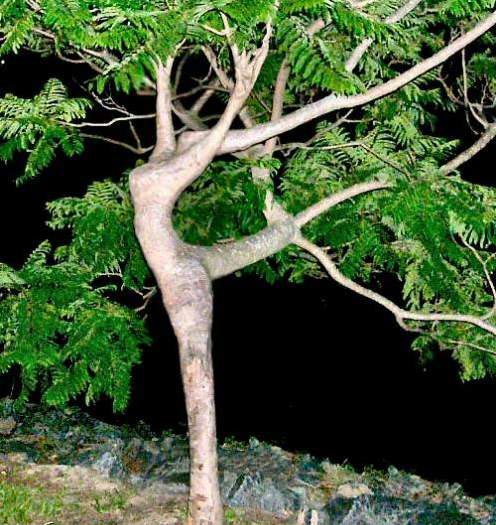
My polytheist friend was both right and wrong. He was right that Nature does not “care” about us. And he was right that making offerings to the earth and singing the praises of Nature do not avert catastrophe or bring down the blessings of Providence. But I think he was also wrong that Nature worship is pointless.
Read More“Was the Buddha a Humanistic Pagan?” by Tom Swiss

While neither humanism nor Neopaganism were established ideas in the Buddha’s time, there are enough resonances that Humanistic Pagans might legitimately claim him as a forebear, bringing a human-centered and nature-appreciative perspective to the spiritual quest.
Read MoreA Review of Tom Swiss’ “Why the Buddha Touched the Earth”, by Ken Apple

A review of “Why the Buddha Touched the Earth” by Tom Swiss
Read MoreBuy Godless Paganism (paperback)

Buy Godless Paganism (ebook)


Pagan Coming Out Day – May 2nd
 Naturalistic Paganism