Naturalistic Paganism

Looking Back: The Year in Review at HP

It’s been a great year here at HP. Here are some of the highlights … Read More
“Marriage of Spirit and Soul” by Thomas Schenk

In his book Alchemy: Science of the Cosmos, Science of the Soul, Titus Burkhardt writes of the chemical marriage: the marriage of gold and silver, which is symbolic of the integration and harmonization of one’s spirit and soul. In the mythic language of alchemy, the spirit is characterized as male and associated with the sun and gold, while the soul is characterized as female and associated with the moon and silver. In this alchemical ideal of the marriage of spirit and soul, the spirit descends to the soul and the soul rises to the spirit.
Exactly what the alchemists meant by “spirit” and “soul” is not completely clear; a defensible interpretation is that by “spirit” the alchemist refers to that aspect of our being that articulates with words, plans and sets goals, makes judgments – the part of our being that we call upon for self-governance, that we deem as the seat of reason and rationality. By soul, the alchemist refers to all the other aspects of our being including appetites, emotions, and the place of dreams and imagination. In modern neurological terms, the spirit would be associated with the neo-cortex and the frontal lobes in particular, while the soul would be situated in the much older, in evolutionary terms, limbic system and brain stem. Read More
The Wheel of Evolution, by Eric Steinhart: Yule
Dr. Eric Steinhart draws on his philosophical background to create a naturalistic foundation for the Pagan Wheel of the Year. To better understand axiarchism, the philosophy on which Dr. Steinhart draws to create a Naturalistic Pagan theology, see Part 1 and Part 2 of his essay “Axiarchism and Paganism”.
At Yule, all Pagan Naturalists can reflect on the meaning of the Winter Solstice, and, more generally, the meaning of all the solar holidays on the Wheel of the Year. Among all the many ways to be a Pagan Naturalist, and to interpret the Wheel naturalistically, only one can be developed here. So terms like Pagan Naturalism and Pagan Naturalist, when used here, refer only to this one way. This way does not exclude other ways.
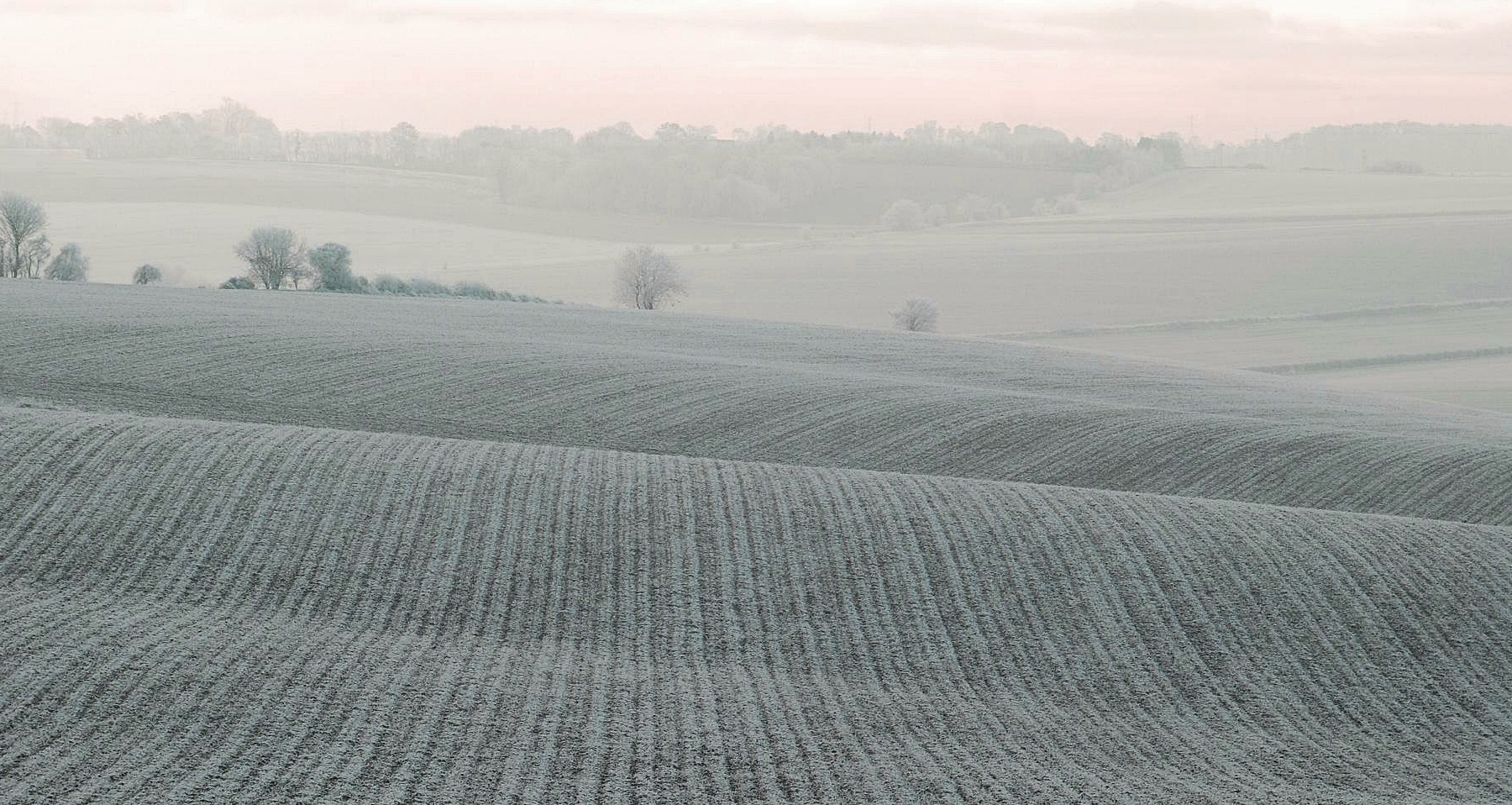
At Yule, Pagan Naturalists picture a winter scene: the frozen ground lies bare under the dark sky of the longest night. This is the ground of being, underneath which lies the essential soil, the soil which contains the abstract roots of all things. At Yule, Pagan Naturalists reflect on these abstract roots. These abstract roots are axiomatic propositions, which entail that things exist. These deepest axioms are those of logic and pure mathematics, such as the axioms of set theory, arithmetic, and geometry. For Pagan Naturalists, these axioms are spiritually significant. After all, since the ancient Greeks, rationality and mysticism have been married by mathematics. But the foundational axioms of pure mathematics entail more specific patterns, including all possible systems of physical laws. Read More
“Let The Sun Shine in at Christmas” by Gary Suttle
This article was first published at the Pantheist Association for Nature website.
“Our ancestors worshipped the Sun, and they were not that foolish.
It makes sense to revere the Sun and the stars, for we are their children. ”— Carl Sagan
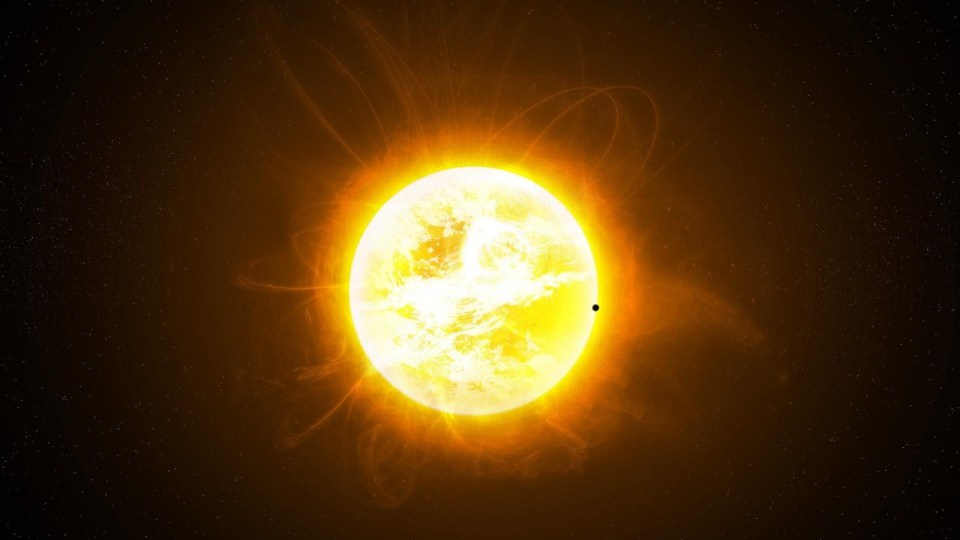
Pantheists celebrate the winter solstice. Christians celebrate the birth of Jesus. The Sun of Life and the Son of God. What is the true significance of Christmas, and how can we celebrate this joyful season in keeping with its meaning? Read More
Buy Godless Paganism (paperback)

Buy Godless Paganism (ebook)


Pagan Coming Out Day – May 2nd