Naturalistic Paganism

Mid-Month Meditation: “Power”: Cheryl Strayed reads Adrienne Rich

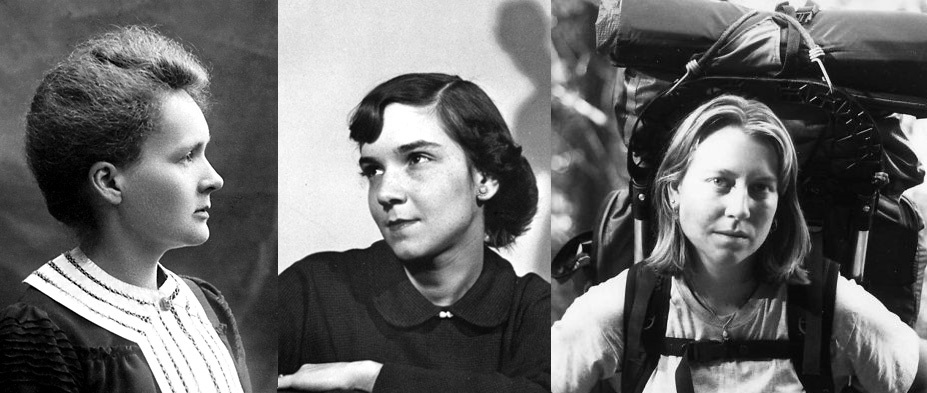
(Marie Curie, Adrienne Rich, Cheryl Strayed)

We encourage our readers to use these Mid-Month Meditations as an opportunity to take a short break from everything else. Rather than treating these posts the way you would any other post, set aside 10 minutes someplace quiet and semi-private to have an experience. Take a minute to relax first. After listening to the recording, take a few minutes to let the experience sink in. If it feels right, leave a comment.


Cheryl Strayed hiked a thousand miles on the Pacific Crest Trail to put herself in the way of truth and beauty in a thoroughly transformative experience that became the magnificent memoir Wild that then became a major motion picture.  In this recording, Strayed recounts her brush with the life-saving power of poetry and reads the first poem from Adrienne Rich’s 1977 masterwork, The Dream of a Common Language, titled “Power.” Folded into this nuanced homage to Marie Curie — a woman who died a “martyr to science” after a lifetime of crusading for curiosity and — is an exquisite meditation on what power really means.

CLICK HERE TO LISTEN Read More

“The Feminine and Masculine Principle in Modern Paganism, a Non-Theist Perspective” by Silverspear

This essay was originally published at Pagan Pathways.

Pagan theology can be extremely complex. Many Pagans recognise a variety of independent deities, known as polytheism. Others subscribe to henotheism, which is rather similar to polytheism, except the focus is only on a singular and supreme deity – a sort of chief god above other gods. Other Pagans subscribe to pantheism, a belief system that perceives God and the universe as one and the same. Other Pagans are monistic, a non-dualistic approach that is not dissimilar to pantheism, and which places no distinction between spirit and matter. Some Pagans perceive God as immanent, rather than transcendent in a monotheistic sense, with lesser deities and spiritual beings believed to be aspects or emanations of the One. In other words, there is said to be a continuity of “Divine Substance” (for want of a better term) from the top to the bottom.  There are also Goddess worshippers who identify only with a female deity, said to be the Earth or the natural world, and who have little or no interest in transcendent-based theology, although there are exceptions to this approach. Read More

Malala Day: “Girl Rising”

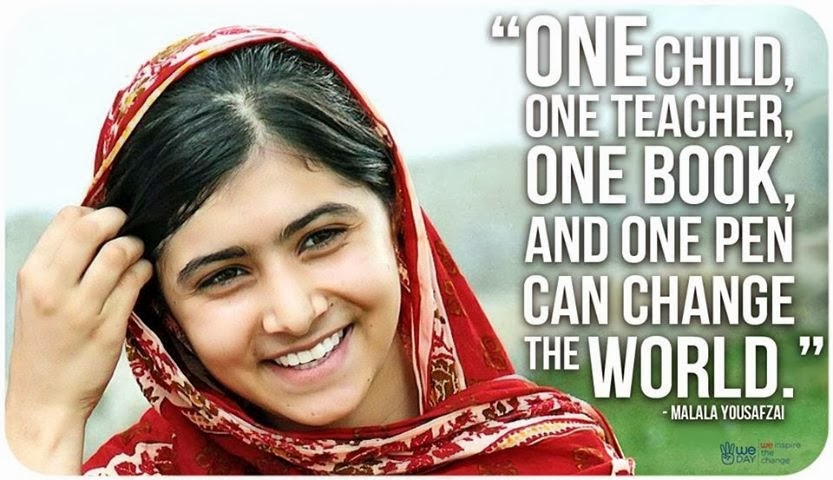
Today is the 18th birthday of Malala Yousafzai.  It also marks “Malala Day”, an education awareness event. Read More

“Feminism and the Future of Religion, Part 2” by Glenys Livingstone Ph.D.

This is Part 2 of a paper presented by the author at the National Socialist Conference Sydney, 1990.  It was published at Magoism: the Way of WE in S/HE.

Feminism is not the only force pushing change to old stories, symbols, myths and images, but it is a significant one. And it has yet enormous resources, a labyrinth of archetypes and energy suppressed for thousands of years, gestating and complexifying, that have the power to scrape clear our eyes of the “learned cataracts”[1]. Interest in the Goddess archetype/metaphor and in Her religious traditions have grown visibly and audibly in the last 15 years, here in Australia. For some She is merely a cliche at this point, but that is an inevitable part of the process, a hurdle that can eventually be broken through in the bigger picture. The vision of the Earth as Gaia, a living being, as Goddess, is one that is gaining in strength. It has at its core, an ancient and holistic understanding of Being, that can call humanity into different relationship with itself and with the universe. But real change is not inevitable. Even people who think they have changed (because they changed a pronoun, or pasted in a goddess), have not necessarily. Ongoing feminist critique and reflection is necessary to ensure the healing of fragmented archetypes that have confined us all. We must continue to speak, to review, to suspect, to research. We cannot make assumptions, we are a long way from having arrived at some kind of real inclusiveness and partnership. The old well-worn pathways are not that easily given over. Read More

“Feminism and the Future of Religion, Part 1” by Glenys Livingstone Ph.D.

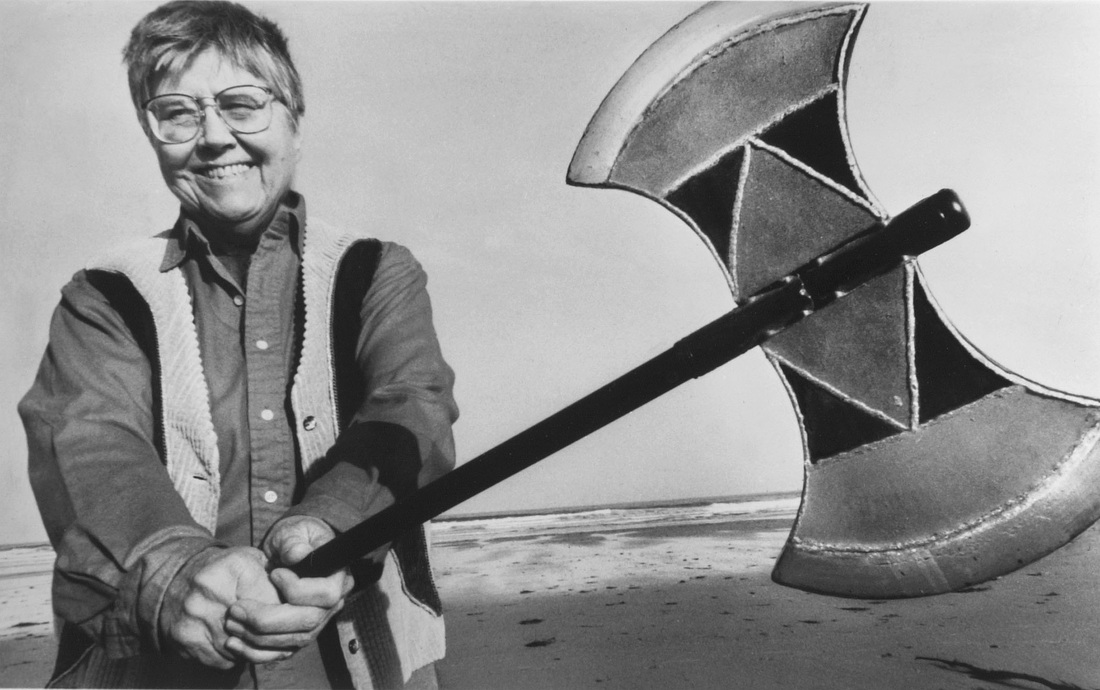
(Mary Daly … way Beyond God the Father, into Gyn/Ecology and the Archaic Future – she had a clarity of vision.)

This is Part 1 of a paper presented by the author at the National Socialist Conference Sydney, 1990.  It was published at Magoism: the Way of WE in S/HE.


Feminism, the uprising of women, continues to chip away at patriarchal religions worldwide. Though the inroads may be small in some places, they are significant. The stone face of the Father continues to be chiseled into.  Though there is backlash and resistance to it, it does seem that once a woman has begun the journey Home there is no turning back. So the movement is unstoppable; and it spreads in ever widening circles. Only the naive think that feminism is a spent force; we are as yet only scratching the surface. Read More