Naturalistic Paganism
We did it! 200% of our funding goal for Godless Paganism: Voices of Non-Theistic Pagans

Thank you everyone! This has been our best fundraising campaign to date! We collected over 200% of our fundraising goal. As a result, we are able to fund the initial printing run for the anthology. This will enable us to compensate the authors with free copies of the book and to donate copies of the book to lending libraries. We were also able to contribute $500 to the Wild Hunt’s fall funding campaign. As a result, a graphical ad for Godless Paganism: Voices of Non-Theistic Pagans will appear on the WildHunt.org site.
Thank you to everyone who contributed!
The following contributors will receive an acknowledgement in the anthology itself:
Denise A. LeGendre
Jon Cleland Host
Mark Green
Fantasia Crystals
Evan and Sara Robinson
The following contributors will also have a graphical ad placed on the bar to the right of this site:
Contributors who claimed the acknowledgement and/or graphical ad perks, will be receiving an email shortly to verify the details.
(If you believe you have been left off this list by mistake, please contact the editor immediately at humanisticpaganism[at]gmail[dot]com.)
The Dilemma of Thanksgiving Grace for Religious Naturalists

Ah, those warm, comforting memories of Thanksgivings spent with family. … Or, are they sometimes not so blissful? Like when the family meal starts with a request that we all pray about Jesus’ blood? If that sounds familiar, you may enjoy this short video by John Cleland Host. Have a great Thanksgiving! Read More
One Pagan is Putting His Money Where His Drinking Water Comes From
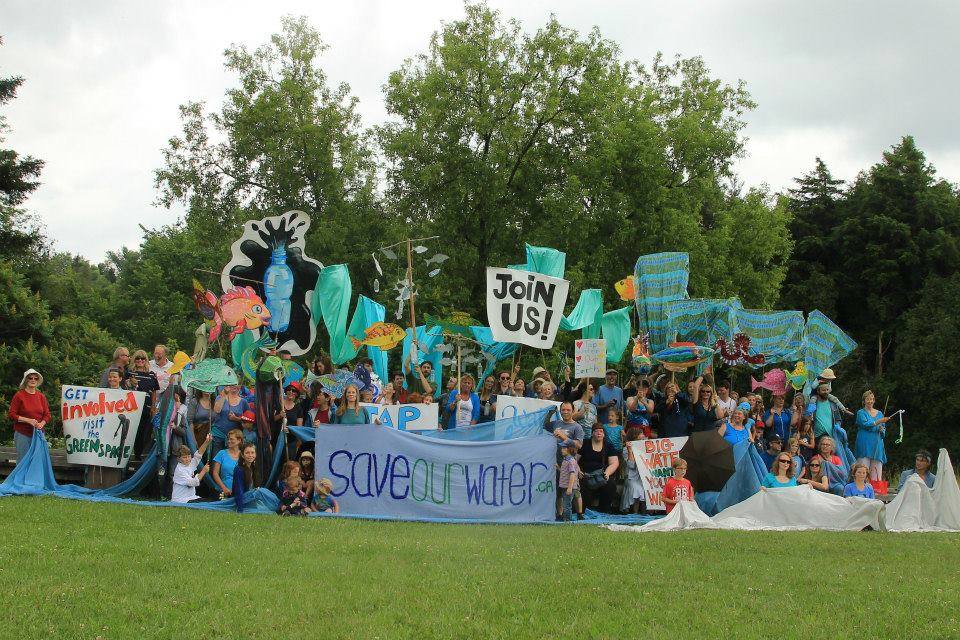
Pagan author, Dr. Brendan Myers, has been prompted to put his money where his mouth by pledging to donate the profits from the November sales of these books to a community group called Save Our Water. This comes after a recent move by corporate giant, Nestle, to extract and bottle the water from an aquifer supplying the idyllic small town of Elora, which is both Myers’ hometown and the inspiration for Fellwater, the setting in his fantasy novel series “The Hidden Houses.” The profits from November books sales will be used to help cover the costs involved in fighting Nestle’s extraction plan.
Mid-Month Meditation: “Ode to the West Wind” by Percy Bysshe Shelley
We encourage our readers to use these Mid-Month Meditations as an opportunity to take a short break from everything else. Rather than treating these posts the way you would any other post, set aside 10 minutes someplace quiet and semi-private to have an experience. Take a minute to relax first. After listening to the recording (5 minutes) or reading the text, take a few minutes to let the experience sink in. If it feels right, leave a comment.
Last Chance to Send Your Submissions for “Godless Paganism: Voices of Non-Theistic Pagans”

HP is soliciting submissions for the forthcoming anthology, Godless Paganism: Voices of Non-Theistic Pagans. The deadline is November 15! Send your submissions to HumanisticPaganism[at]gmail[dot]com. We’re looking for writings non-theistic Pagans, including atheist Pagans, pantheists, animists, Gaians, archetypalists, Buddho-Pagans, natural polytheists, and so on. The goal of the anthology is to educate others in the Pagan community about both the diversity and the depth of non-theistic Pagan practice. The tentative chapter headings are below: Read More
Buy Godless Paganism (paperback)

Buy Godless Paganism (ebook)


Pagan Coming Out Day – May 2nd